UK Non GamStop Casino Meaning and Licensing Features
 Available in US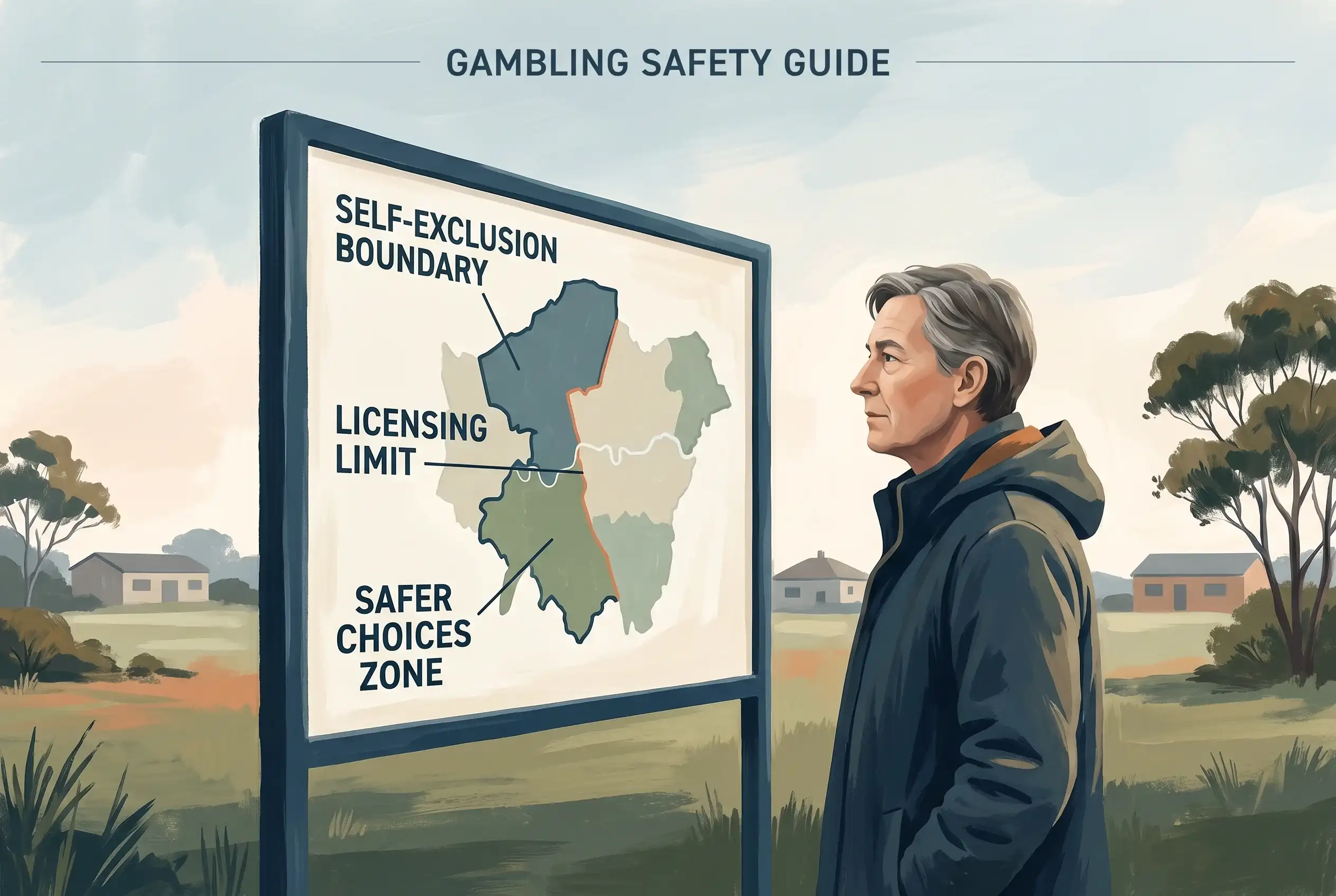
The Exact Meaning of Non GamStop Gambling Sites
GAMSTOP is a national online self-exclusion scheme available to people living in the UK. Its own registration information says it helps block access to online gambling companies licensed in Great Britain for the period selected. Registration is not instant in every practical sense, because activation can take up to 24 hours, and it is not a refund process. Those details matter because self-exclusion is about reducing access and harm, not settling account balances.
When a gambling site is described as not being on GAMSTOP, the statement may mean several different things. It may mean the site is not part of the scheme. It may mean the person describing it has not checked properly. It may mean the site is outside the Gambling Commission licence framework for Great Britain. It may also be a marketing phrase designed to attract people who are blocked from gambling elsewhere. None of those possibilities should be treated as a green light.
The safest reading is cautious: if a site is presented as outside GAMSTOP, you need to understand what protection you may be losing, what official status can be checked, and whether looking for that site conflicts with your own decision to self-exclude.
What the phrase may signal
| What the phrase may signal | What official information can help confirm | What this page will not help you do |
|---|---|---|
| A site is being marketed as outside the normal GAMSTOP coverage. | GAMSTOP explains the scope of the scheme and the Gambling Commission register can be used to check licensed status for Great Britain. | It will not identify or recommend places to gamble while self-excluded. |
| The site may not be a relevant remote licensee in the Great Britain framework. | Gambling Commission rules require relevant remote licensees to participate in the national multi-operator self-exclusion scheme. | It will not treat a foreign licence as equal to Gambling Commission authorisation for Great Britain. |
| The description may be used as advertising to people who are trying to regain access. | Official material and safer gambling services explain self-exclusion as a protection tool, not an obstacle to get around. | It will not provide steps for avoiding a block, bank restriction or account control. |
| The details may be incomplete, vague or copied from promotional pages. | The public register can help check business name, trading name, domain name and account number where those details are available. | It will not make a definite fraud accusation without official evidence. |
Why Great Britain and UK wording matters
In everyday speech, people often say “UK casino” when they mean a gambling website used by someone in the United Kingdom. Official wording is more precise. The Gambling Commission regulates remote gambling offered to consumers in Great Britain. Northern Ireland can require more careful wording, so a responsible explanation should avoid pretending that every UK-related gambling question has the same regulatory answer.
For most readers looking at this phrase, the practical point is simple: do not rely on casual wording from an advert, forum post or comparison page. Look for the official licensing position. A claim such as “licensed abroad”, “international casino” or “not restricted by GAMSTOP” does not, by itself, answer whether the site is authorised to offer gambling facilities to consumers in Great Britain.
The Gambling Commission has made a clear boundary point in its public material: offering gambling facilities to consumers in Great Britain without the right operating licence or valid exemption is treated as illegal. That does not turn you into a lawyer, and it does not allow you to label a particular site without checking. It does mean the licensing question should come before any discussion of promotions, speed, payment methods or account features.
What GAMSTOP can and cannot be used for
GAMSTOP is a protective registration. It is not a quality badge for individual websites, and it is not a full account-management service. If you register, the scheme is intended to reduce access to online gambling companies licensed in Great Britain for the period chosen. If you already have funds with a gambling company, the registration information makes clear that registering does not automatically return money. You still need to deal with account balances through the business and any official complaint route that applies.
That limit is not a flaw; it is a reminder to use the right tool for the right problem. If your problem is “I need distance from online gambling”, self-exclusion and blocking tools are relevant. If your problem is “I need to check whether a site is licensed”, use the official register process. If your problem is “my withdrawal is delayed”, that becomes a terms, verification and complaint question. Mixing these problems together often leads people into risky decisions.
A common mistake is treating “not on GAMSTOP” as if it describes convenience. It may feel convenient only because it appears to avoid a restriction. If the restriction was chosen to protect you, avoiding it is not a neutral choice. The more useful response is to pause and ask whether the urge to continue gambling is stronger than your original reason for self-exclusion.
What to check next
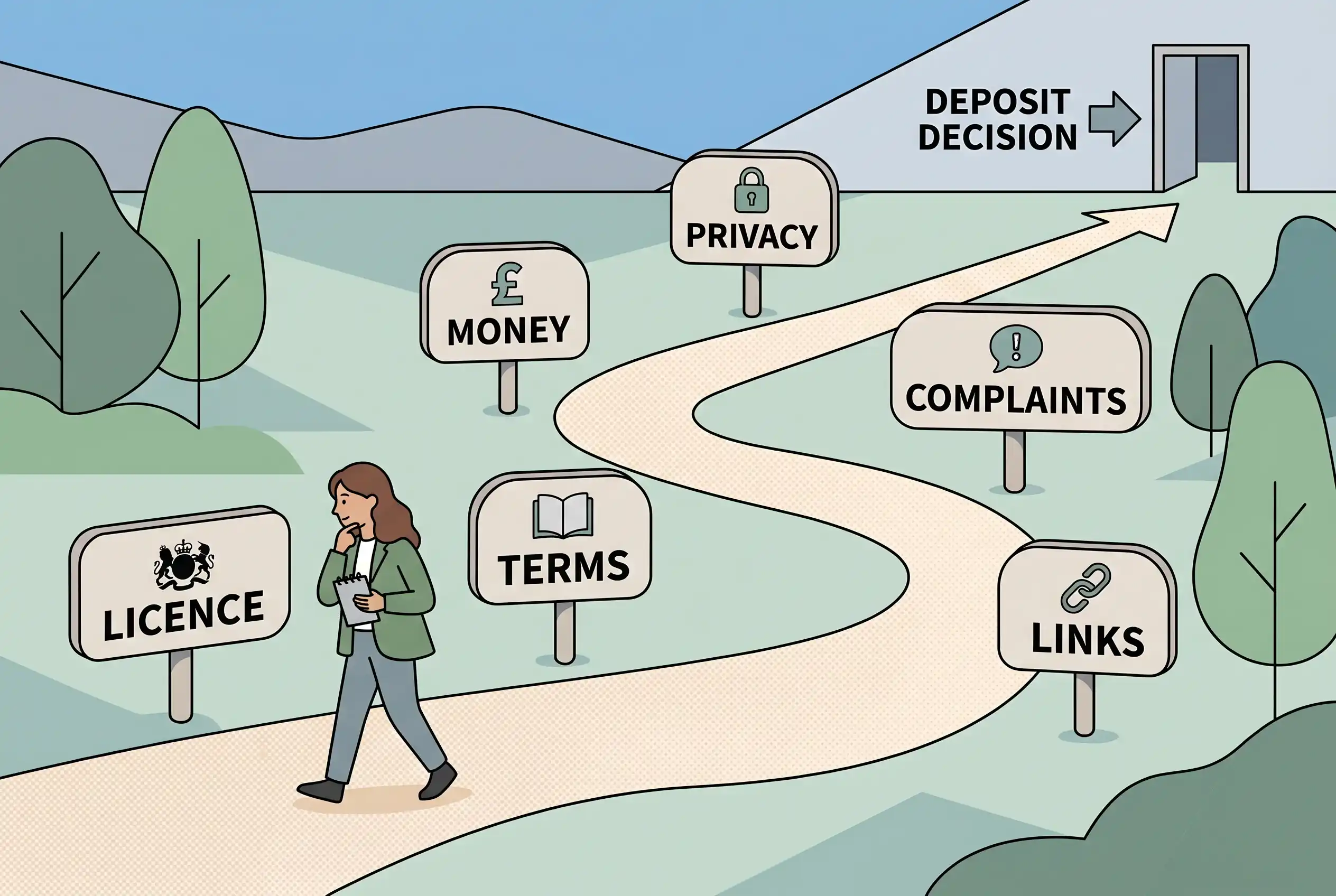
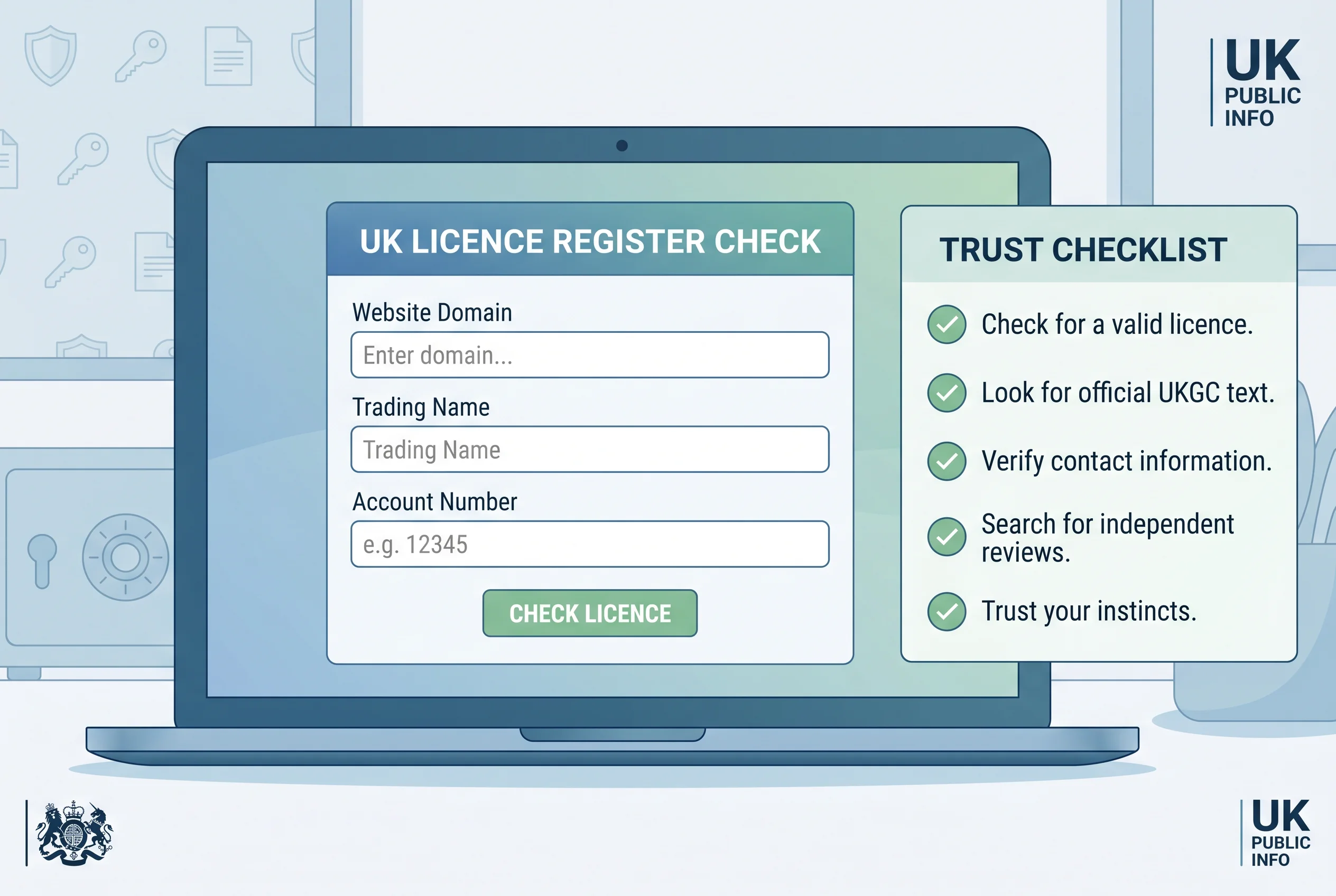
- Check the official status before trusting the site. Do not use a marketing badge, a social post or a review page as proof. The dedicated register-check guide explains the careful way to compare domain, trading name, business name and account number.
- Read the terms before focusing on promotions. Terms about balances, withdrawal checks, dormant accounts, bonus conditions and customer funds matter more than headline offers.
- Notice what the site says about self-exclusion. If the main attraction is that restrictions do not apply, that is a reason to step back, not a reason to deposit.
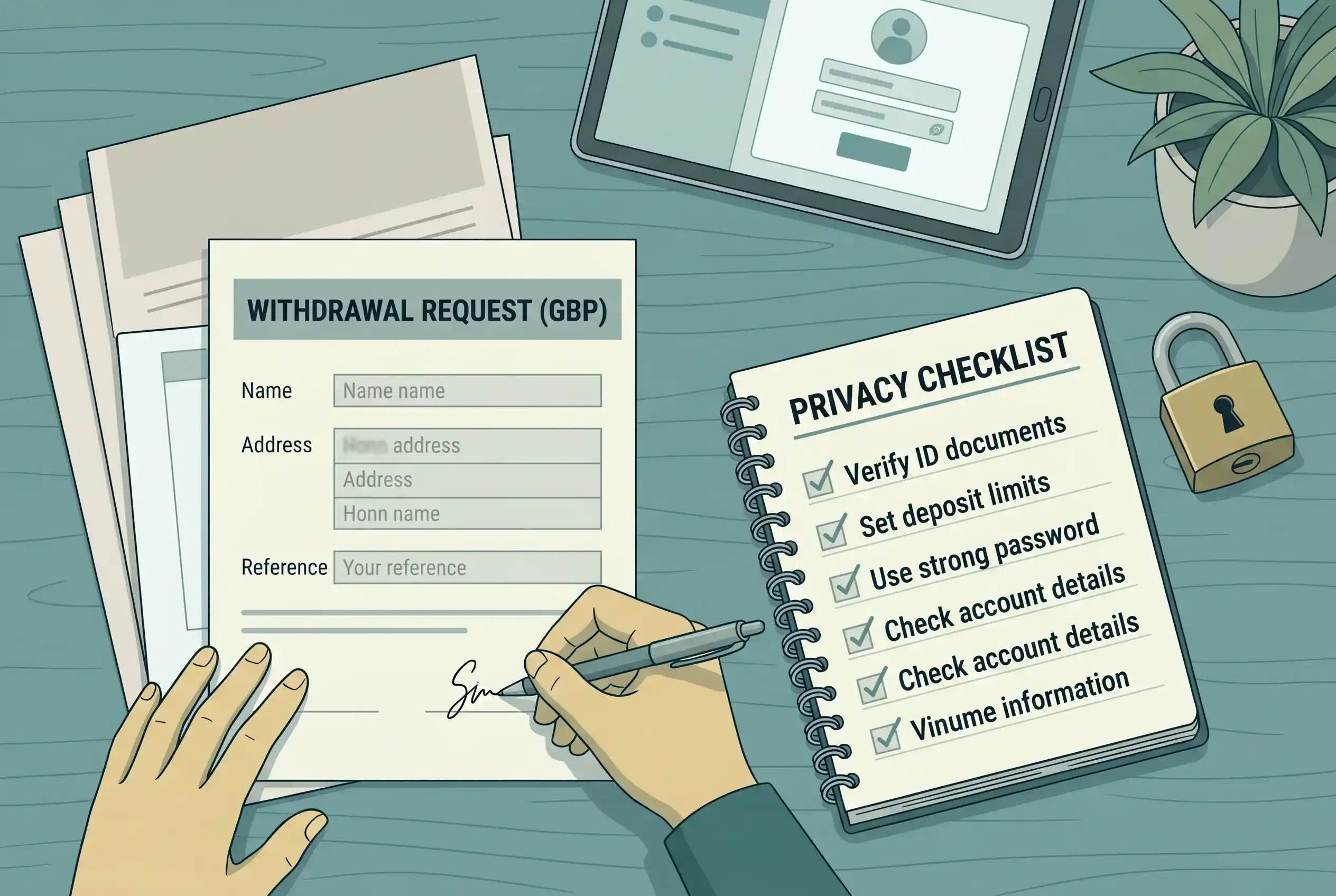
- Look at complaint and data routes. A serious business should not make it hard to understand how complaints, identity checks and personal data are handled.
- Use support if control is already difficult. If you are self-excluded, chasing losses or gambling longer than planned, the next step should be support and blocking tools, not more site checks.
How this differs from a casino list
A list of named websites can look helpful because it appears to save time. In this topic, lists can also be the riskiest format. They may encourage a person to treat the phrase as a shopping category, when it is really a sign that protections, licensing status and personal control need attention. A list can also become outdated quickly, and it may hide the difference between verified official status and marketing claims.
A better approach is to separate the question into parts. First, decide whether gambling is sensible for you at all right now, especially if self-exclusion is involved. Second, check official status rather than trusting labels. Third, read terms, payment information and complaint routes before giving money or documents. Fourth, use help resources if the reason for looking is stress, urgency, loss chasing or frustration with a block.
If you are already self-excluded
If you registered with GAMSTOP because gambling had become hard to control, looking for sites outside the scheme can undermine the protection you chose. This is not about blame. It is common for people to feel pulled back toward gambling during stress, boredom, debt pressure or after a loss. The practical response is to reduce the number of decisions you must make in the moment.
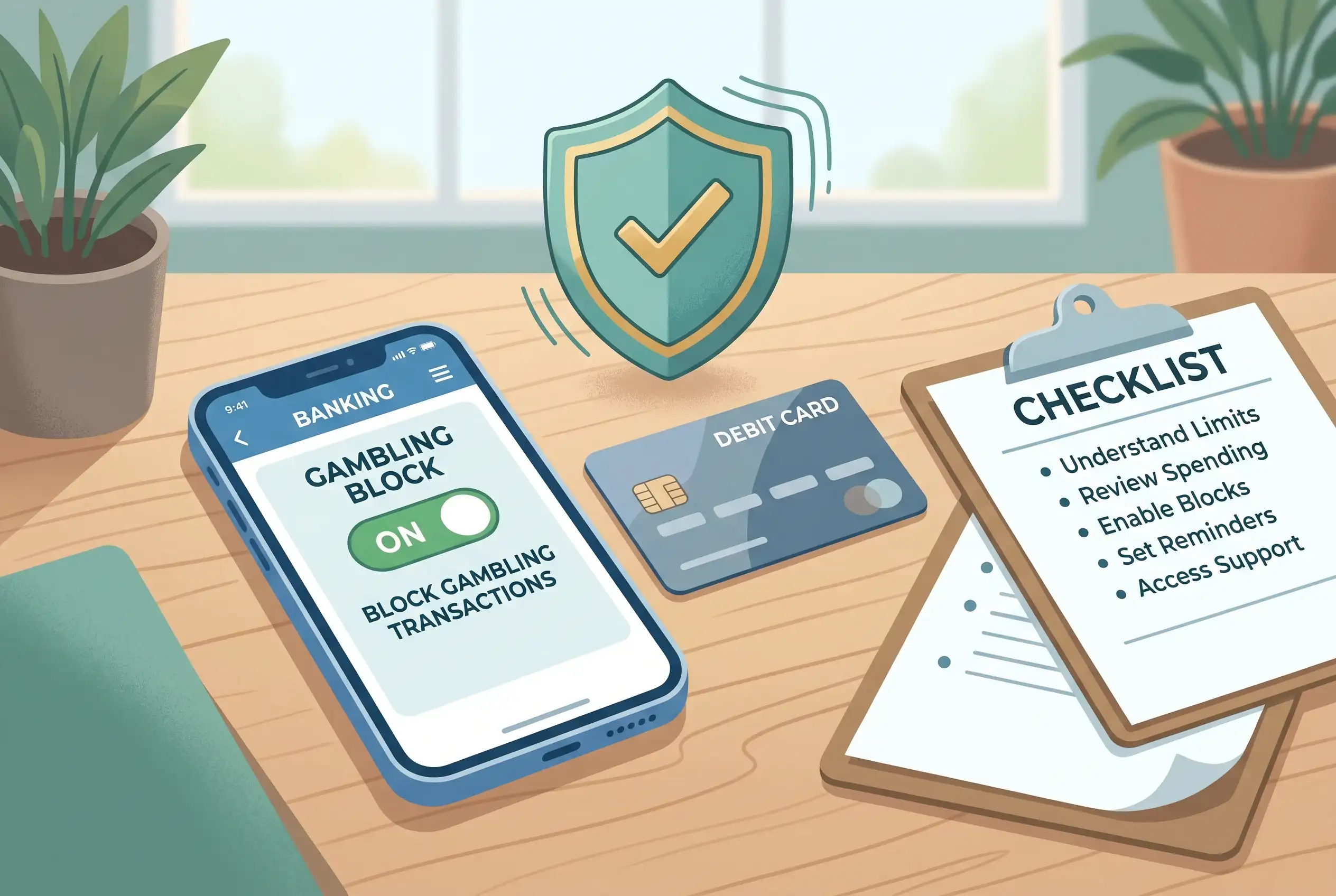
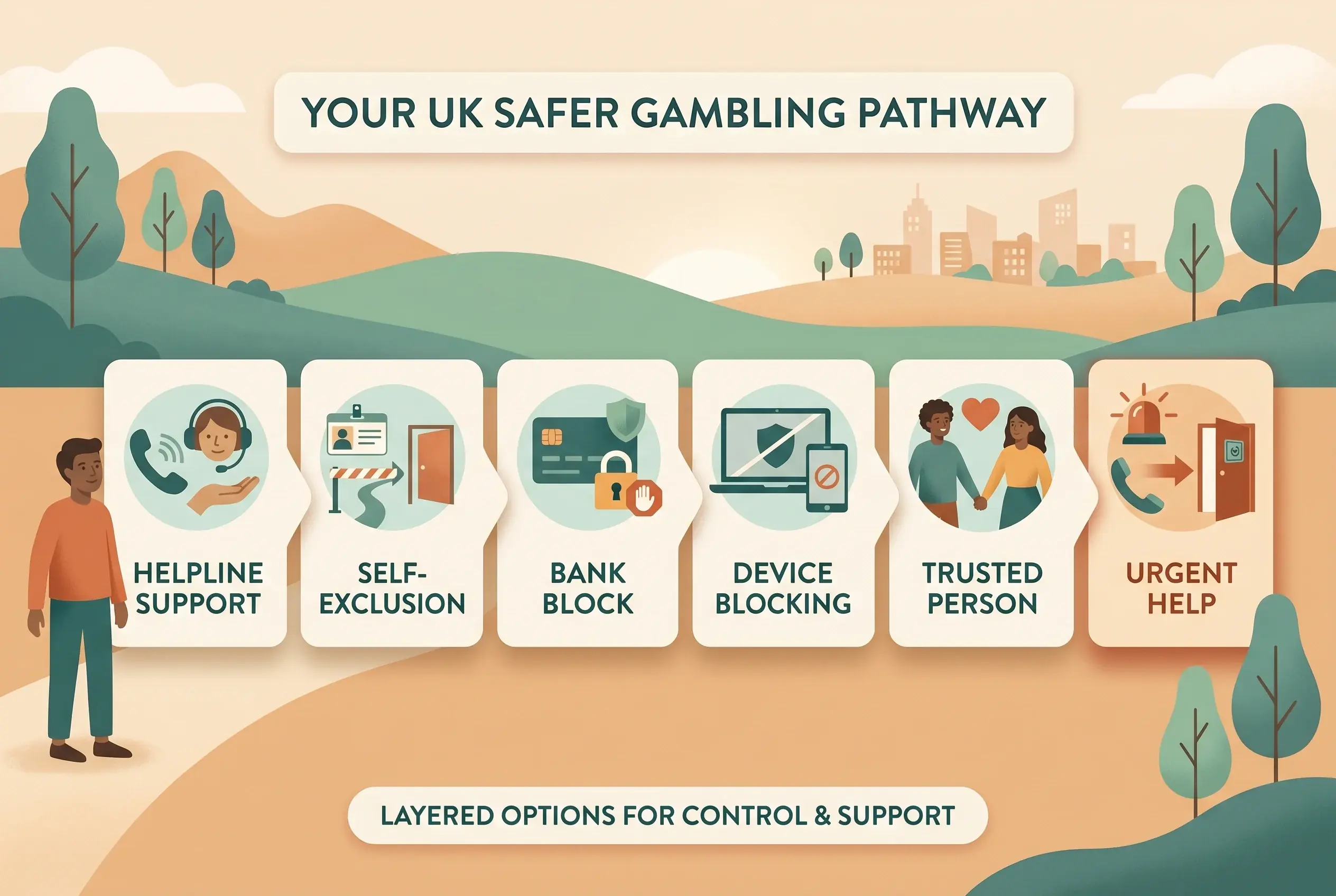
Consider using layered controls: self-exclusion, gambling blocks offered by banks where available, device or software blocking tools, and direct support from a gambling help service. The support and control guide explains these options in more detail. If you feel at risk of immediate harm or cannot keep yourself safe, use urgent local support rather than continuing to read gambling pages.
Once you understand the scope of these platforms, it is vital to know how to check a gambling site on the official register to verify its legitimacy.
For a complete overview of player safety, always refer to our trusted UK guide to casinos not on GAMSTOP before making any decisions.
Questions people often ask
Does “not on GAMSTOP” mean illegal?
Not automatically from the phrase alone. It means you should check the official licensing position. For gambling offered to consumers in Great Britain, the Gambling Commission licence boundary is central, and a foreign licence should not be treated as a substitute.
Does GAMSTOP cover every gambling website in the world?
No. GAMSTOP is connected with online gambling companies licensed in Great Britain. That is why the phrase needs careful handling and why a person should not assume equal protection outside that framework.
Can registration get money back from an account?
No. GAMSTOP registration information says it does not automatically return funds. Account balances and disputes need to be handled through the business and the relevant complaint route.
What is the most useful first step?
If you are not self-excluded and are checking a site, start with official licence status. If you are self-excluded or worried about control, start with support and blocking tools rather than site hunting.
Created by the "Casino not on Gamstop" editorial team.