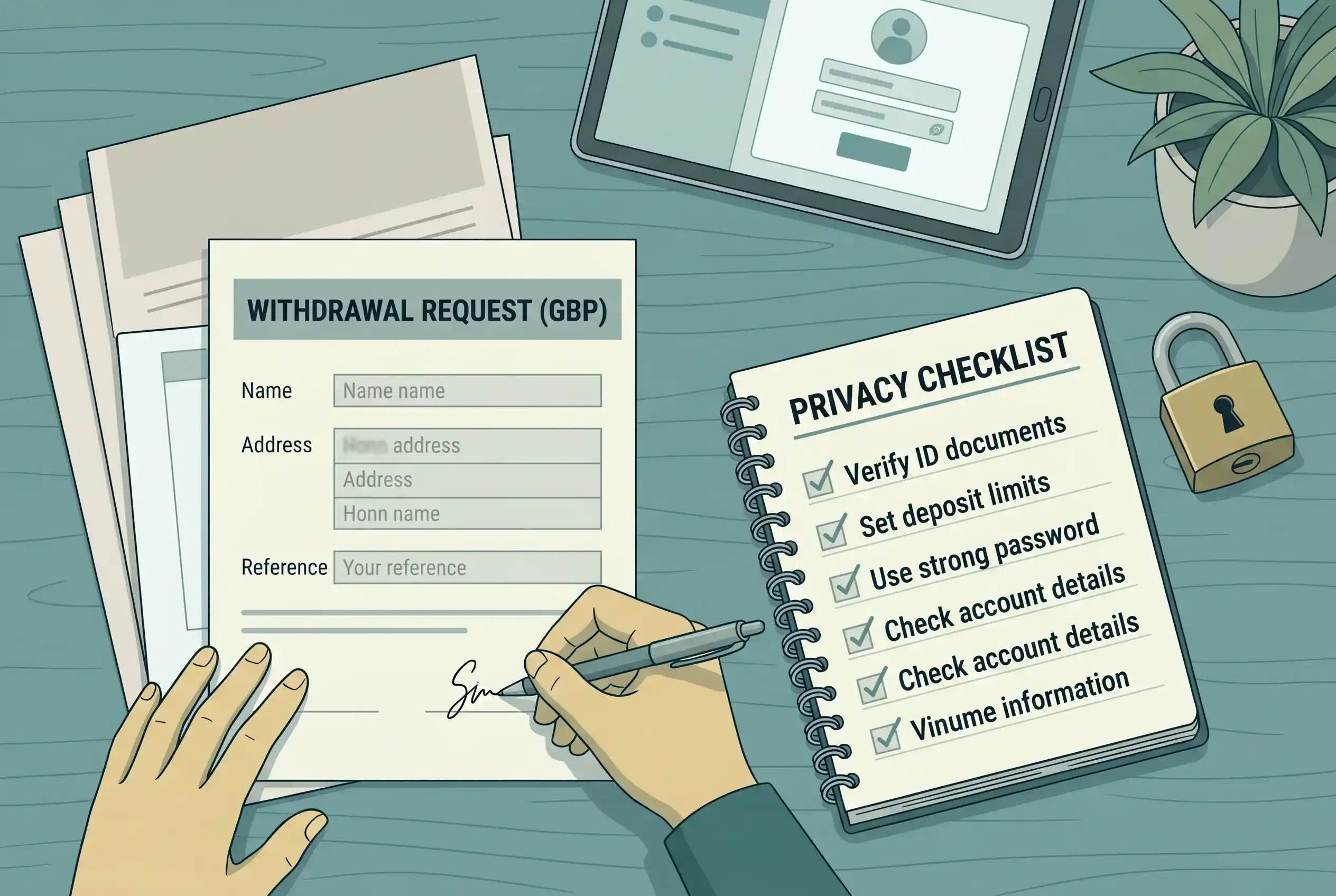
UK Gambling Bank Blocks and Casino Credit Card Rules
 Available in US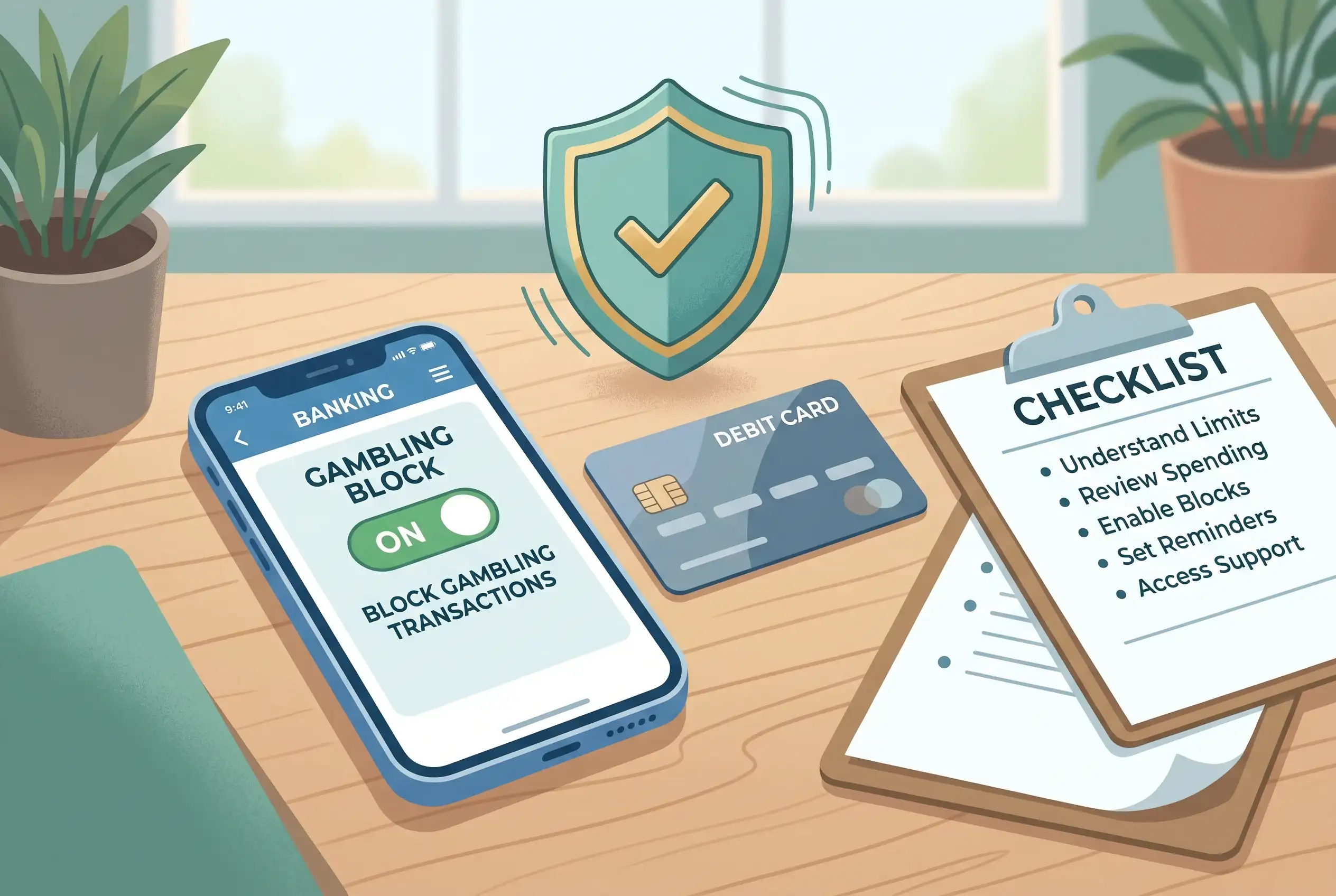
Verifying Casino Payment Claims and Bank Block Rules
A payment method is not proof that a gambling site is safe. It is only one part of the account journey. A site could describe a payment option clearly and still leave other questions unanswered: who is licensed, where complaints go, whether customer funds are protected, what identity checks may happen, and whether the terms are fair and transparent.
For relevant licensed gambling in Great Britain, the Gambling Commission licence conditions set important boundaries. Relevant licensees must not accept payment for gambling by credit card, including credit-card payments made through a money service business. Relevant remote casino, bingo and betting licensees must also accept payment methods only where the payment involves a qualifying payment service provider under the payment-services framework referred to in the licence condition.
Those rules are not a menu of routes to try. They are a reminder that payment arrangements are part of regulated conduct. If a site outside the normal GAMSTOP conversation advertises payment convenience as its main attraction, that should make you more cautious, not less. The better question is: what can I verify before I put money or personal details at risk?
Common payment claims and how to read them
| Claim or situation | What it might mean | What you can check | What not to assume |
|---|---|---|---|
| “Credit cards accepted” | The claim conflicts with the credit-card restriction for relevant licensed gambling in Great Britain, or it may be describing a site outside that framework. | Check official licence status first. Do not rely on a payment banner or a comment from another user. | Do not assume a credit-card route is a safe workaround, and do not look for indirect routes through another service. |
| “Multiple processors available” | The site may be trying to look convenient by naming payment channels, but processor language alone does not confirm licensing or consumer protection. | Look for the licensed-status display, business details, terms, withdrawal rules and privacy information. | Do not assume a familiar payment word proves that the gambling business is trustworthy. |
| “Works despite bank gambling blocks” | The message may be presenting a protection tool as something to defeat. | Review why the block was added and consider support before taking any action that weakens it. | Do not treat removal or avoidance of a block as a normal payment step. |
| “Fast deposits” | The site is focusing attention on how quickly money can enter an account. | Read the withdrawal, identity-check, customer-funds and complaint information before any deposit. | Do not assume fast deposits mean fast withdrawals, fair terms or reliable support. |
Credit cards: the important boundary
The official credit-card rule is often misunderstood. It is not simply a personal preference or a bank feature. In the relevant licensed setting, gambling operators must not accept credit-card payments for gambling, and the rule also addresses credit-card payments through a money service business. That matters because a payment arrangement can still carry credit risk even when the website does not display a simple card form.
For a user, the safe reading is straightforward: do not search for a credit-card path into gambling. If a website or discussion presents credit access as an advantage, treat that as a warning sign. Borrowed money and gambling can compound harm quickly, and a credit-card restriction is meant to reduce that risk.
This point also helps separate payment questions from identity questions. A blocked card, missing payment option or rejected transaction does not answer whether your identity will be checked, whether a withdrawal will be smooth, or whether the site’s terms are fair. Those issues belong in the ID and withdrawal guide and the terms guide, not in a hunt for another payment route.
Bank gambling blocks are protection tools
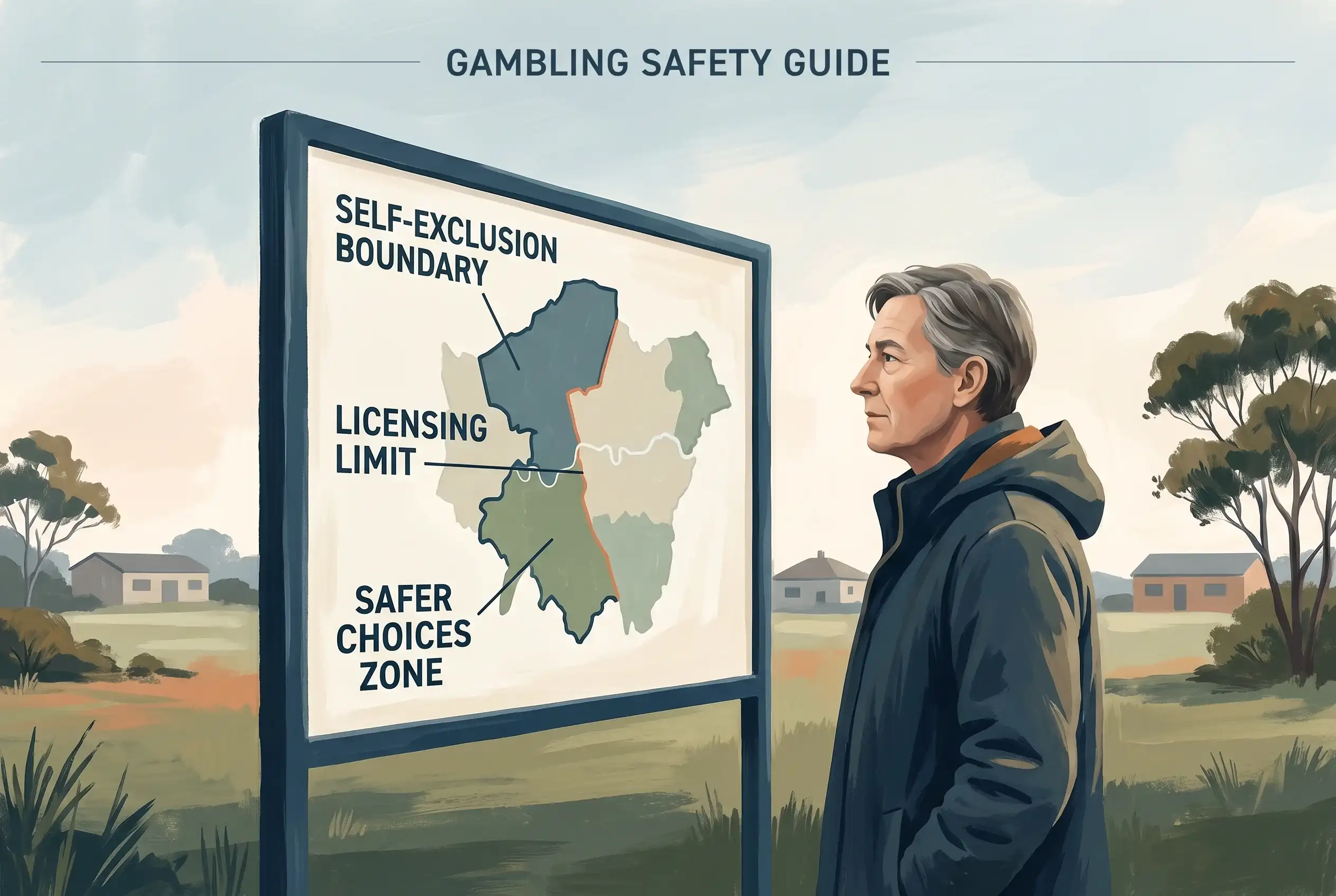
Many banks offer gambling blocks that can stop gambling payments from a bank account or card. Public guidance from recognised support and money-help services describes these blocks as one layer of protection, alongside self-exclusion and device or software blocking. Details vary by bank: the setup process, coverage and cooling-off period are not identical everywhere.
If you turned on a gambling block, or someone helped you turn one on, it is worth treating the block as part of a wider safety plan. Wanting to remove it can be a sign that the urge to gamble is becoming urgent. That does not call for shame; it calls for slowing the moment down. Speak to a support service, someone you trust, or your bank’s support team before weakening a control that was put in place for a reason.
There is also a practical money point. A bank block may stop some gambling payments, but it does not settle debts, recover losses, cancel every possible transaction or replace self-exclusion. It works best when combined with account limits, support, careful budgeting and distance from gambling websites that encourage immediate deposits.
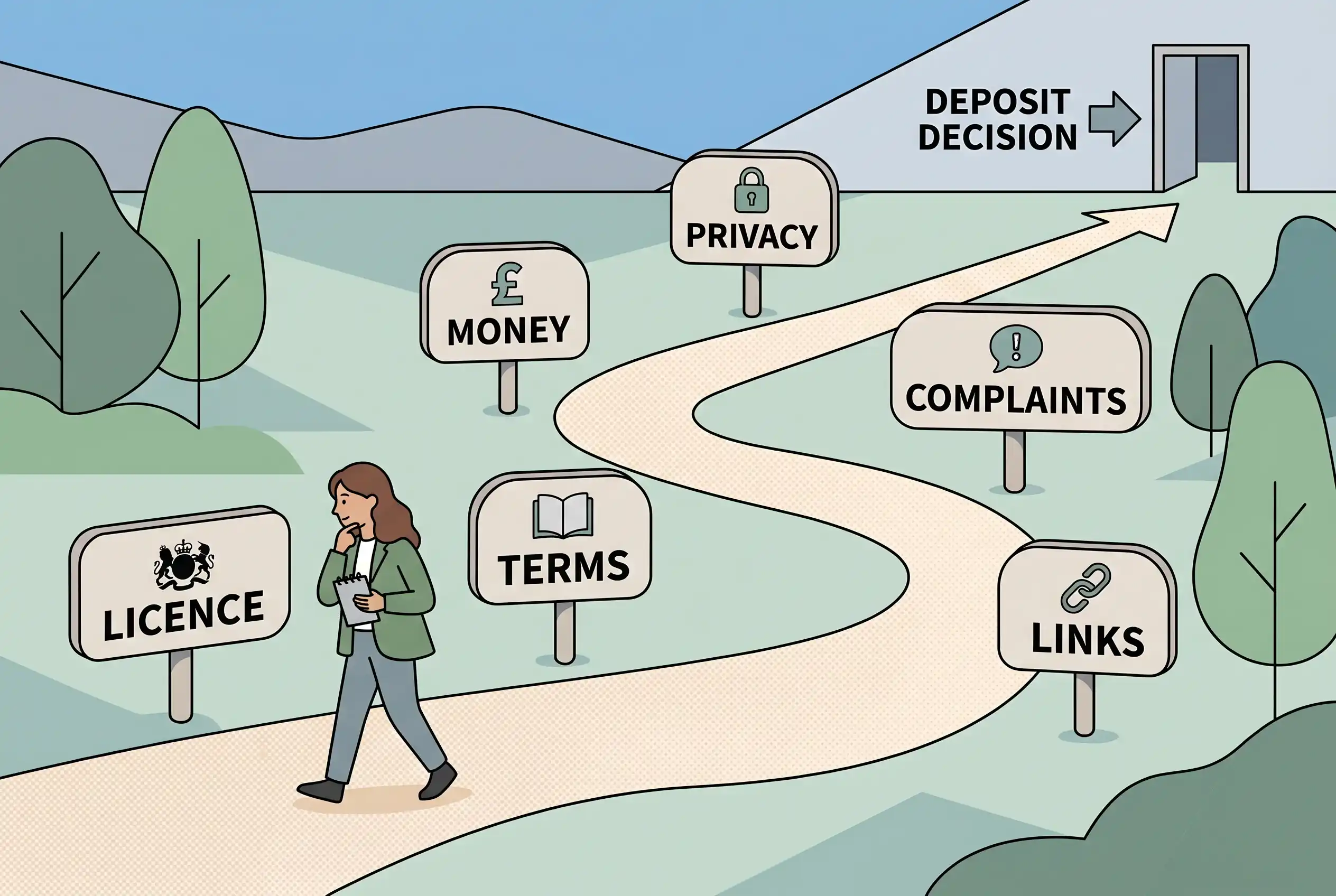
A safer payment-check sequence
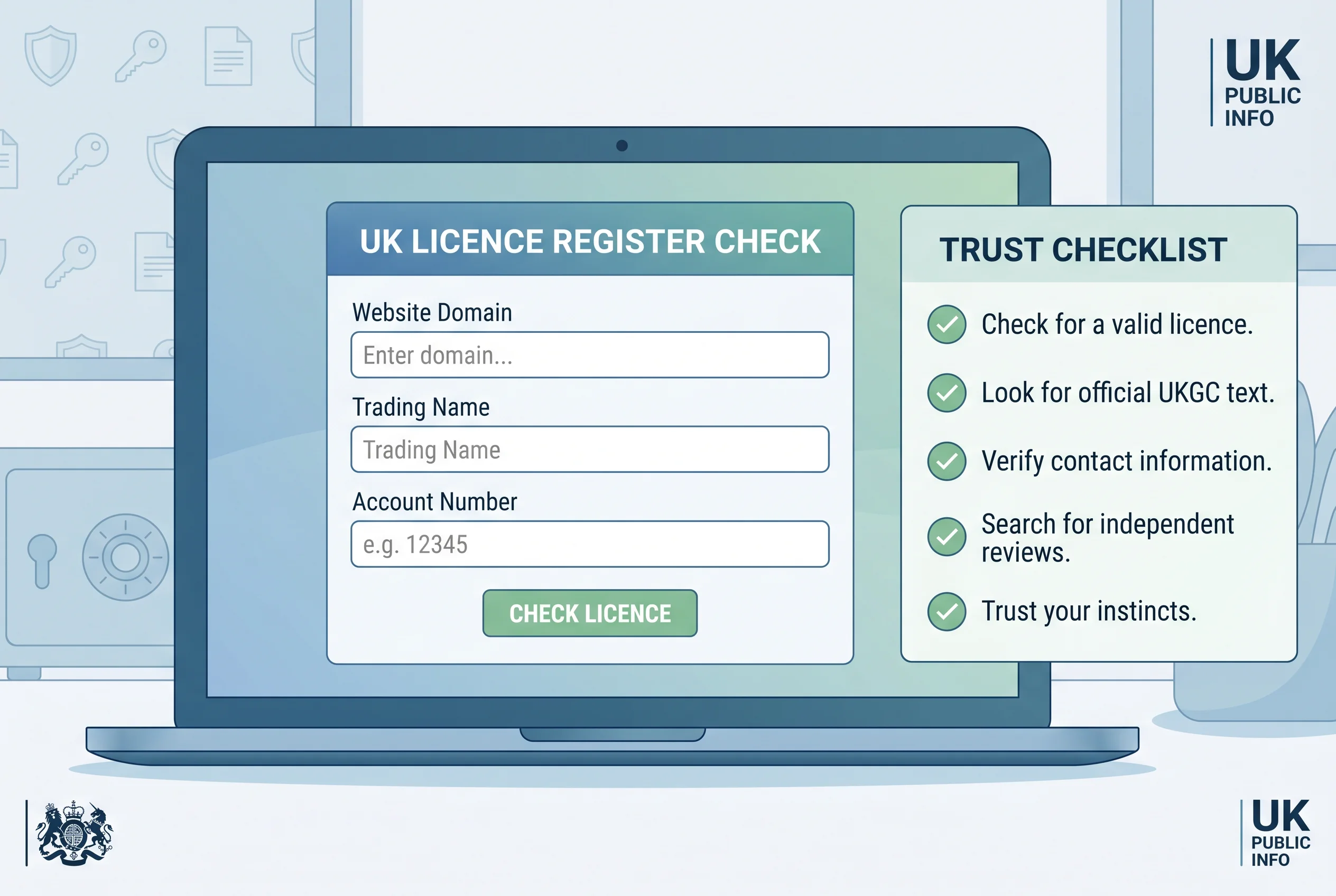
- Check the official status first. Before reading payment options, check whether the domain, trading name, business name and account number connect to a Gambling Commission licence. If that does not line up, do not let payment convenience distract you.
- Read the payment terms slowly. Look for who processes payments, what information may be required, whether deposits and withdrawals are treated differently, and what happens if a payment is reversed or disputed.
- Read withdrawal and identity sections before depositing. A site that accepts money quickly may still ask for documents later. That can be legitimate in a licensed setting, but it should not be hidden from the customer before deposit.
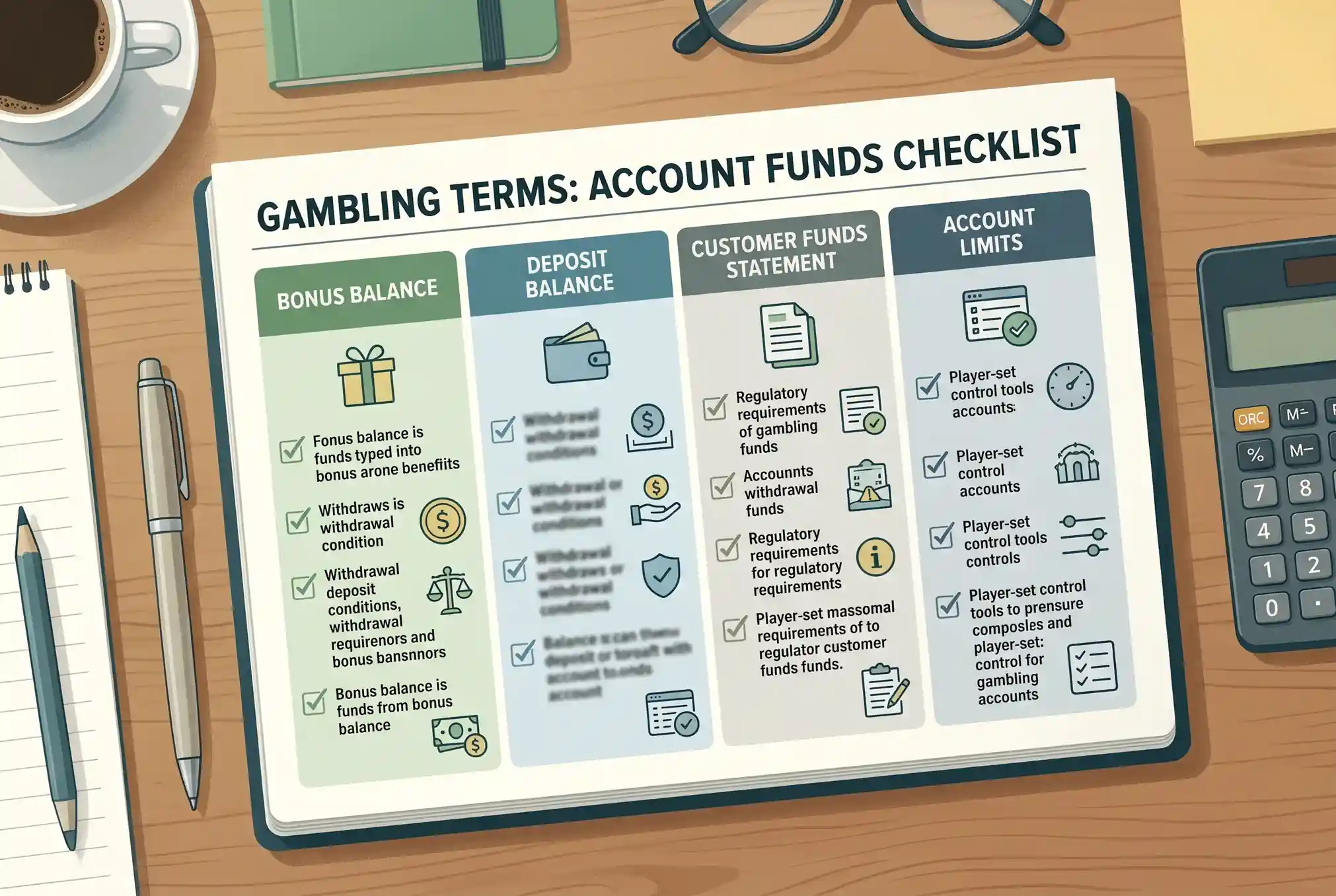
- Check customer-funds wording. A payment leaving your bank is not the same as protected money. The customer-funds statement explains what protection, if any, applies to balances held by the gambling business.
- Keep bank blocks in place if gambling is hard to control. If the reason you are reading payment information is frustration with a block, move to support and control tools instead of looking for another route.
When a payment is refused or delayed
A refused payment can happen for several reasons: a bank block, internal bank checks, site-side payment limits, incorrect details, or the absence of a payment route that the business can use. None of these reasons should automatically push you toward another provider. The safer response is to pause and ask what problem you are trying to solve.
If the problem is simply that you cannot deposit, that may be a useful stop point. If the problem is that money has left your account but has not appeared, keep screenshots, transaction references and messages, then contact your bank and the gambling business through their stated channels. If the site avoids clear support details, changes explanations, or pressures you to send more money to “release” a balance, move to the suspicious-site and complaint guidance rather than continuing the payment conversation.
If the problem is a withdrawal delay, payment information alone will not be enough. You need the terms, identity-check process and complaint route. A business may need to meet legal obligations, but it should not use withdrawals to demand information that could reasonably have been requested earlier unless another legal duty requires it at that point.
What not to do
- Do not use borrowed credit to gamble or look for indirect credit-card routes.
- Do not remove a bank gambling block in a rushed moment, especially after losses or during self-exclusion.
- Do not assume a payment brand, processor word or wallet label proves that a gambling site is licensed.
- Do not send extra money because a site says a withdrawal, verification or account release depends on another deposit.
- Do not ignore missing licence, privacy, complaint or customer-funds information because the deposit screen looks simple.
Questions people often ask
Does a working payment method mean the site is licensed?
No. A payment route is not a licence check. Start with the official register, then read terms, payment information, identity requirements and complaint routes.
Is a bank gambling block only for people with severe problems?
No. A block can be a practical control for anyone who wants extra distance from gambling payments. It can be used alongside self-exclusion, device blocking and support.
Should I remove a block if I only want to test a site?
If a block was added to reduce gambling, removing it to test a site defeats the purpose of the control. Treat that urge as a reason to pause and use support rather than making a payment decision.
Created by the "Casino not on Gamstop" editorial team.