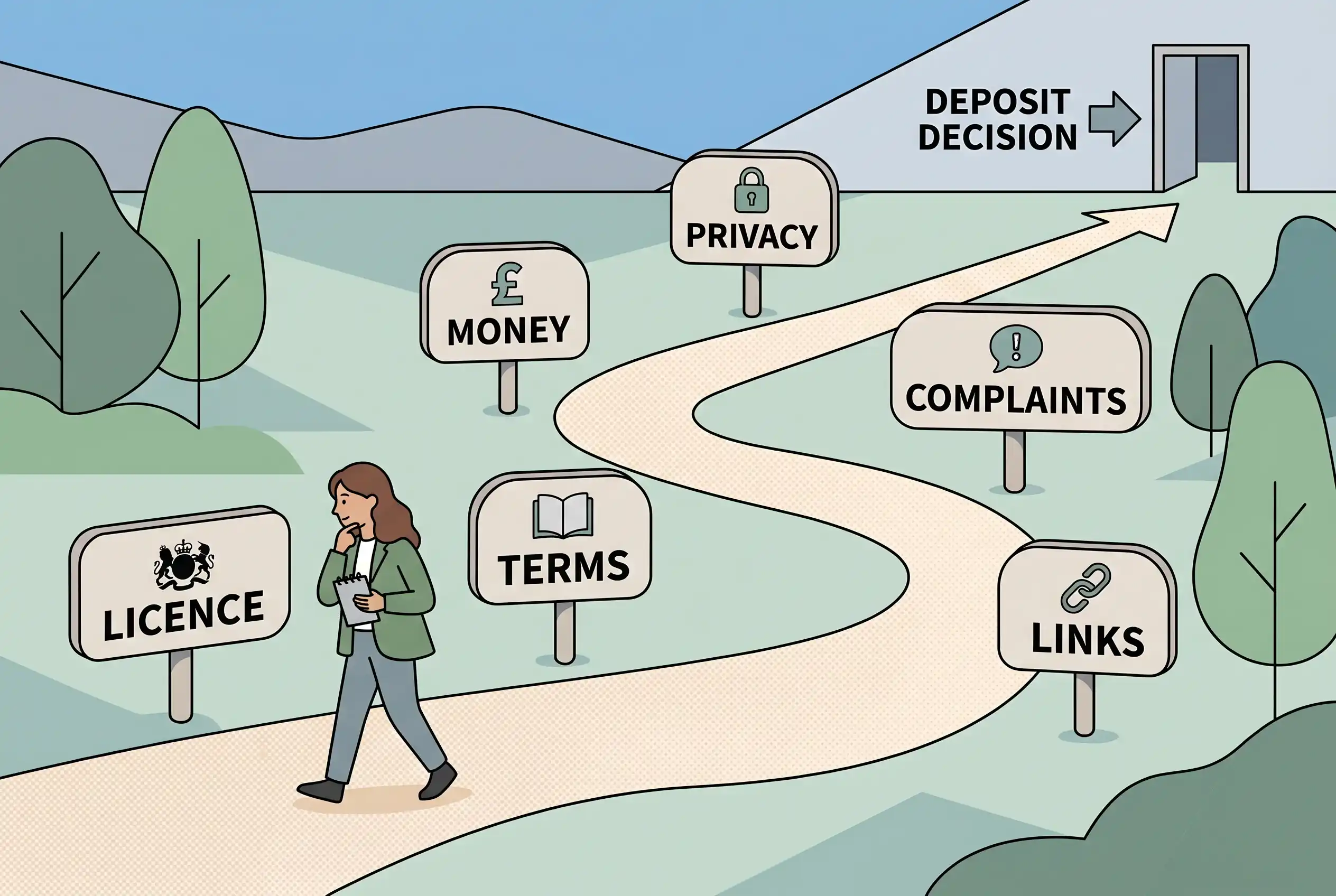
GamStop Self-Exclusion Tools and UK Casino Account Access
 Available in US
Table of Contents
- Choosing the Right GamStop Self-Exclusion Control Tools
- Verified support routes to know
- Scenario guide: one safe next action
- Control layers that can work together
- Bank blocks and money pressure
- How to prepare before contacting support
- If someone else is affected
- What this page will not help you do
- Common questions
Choosing the Right GamStop Self-Exclusion Control Tools
A search for gambling outside a block can happen for many reasons: curiosity, frustration, a delayed withdrawal, a strong urge to win money back, or a belief that one more account will fix the problem. The safest interpretation is simple: if a block, self-exclusion or bank restriction is in place, it exists to create friction at exactly this moment.
Trying to remove that friction during an urge usually makes the next decision riskier. The better first step is to add one more layer of delay: speak to support, block another payment route, leave the device, tell someone you trust, or move money somewhere safer. The aim is not to make a perfect life plan in one evening. It is to stop the next action that could make things worse.
If there is immediate danger to life, or someone cannot stay safe, use emergency help rather than reading more guidance. NHS urgent mental-health guidance points people to emergency help in those situations.
Verified support routes to know
Official Gambling Commission public guidance lists National Gambling Helpline details. For England and Scotland, the listed number is 0808 8020 133. For Wales, the listed number is 0808 2819 265. The guidance describes the helpline as free and available 24 hours a day, 7 days a week. When using any support detail, go through the official service page or the official organisation directly rather than a copied advert or a message from a gambling site.
Helpline support is useful even if you are not sure whether your gambling is “bad enough”. You can use it to talk through urges, self-exclusion, blocking tools, debt pressure, family conversations and how to reduce access to money for gambling. You do not need to diagnose yourself before asking for help.
NHS public information also recognises gambling problems as a health and support issue. For urgent mental-health help, use NHS urgent-help routes; if life is at risk or someone cannot stay safe, call 999 or go to A&E. Those urgent routes are for safety, not for account disputes or ordinary gambling complaints.
Scenario guide: one safe next action
| Situation | Safe next action | Do not do this |
|---|---|---|
| You are already self-excluded and are looking for a casino outside GAMSTOP | Stop checking sites and contact gambling support before the next account is opened. Add a blocking layer on the device or payment method. | Do not look for instructions to bypass the self-exclusion or replace one blocked route with another account. |
| You are chasing losses after a bad session | Move away from the device, tell one trusted person what is happening, and use a helpline or blocking tool to create delay. | Do not deposit to “get back to even”. That is usually the point where losses accelerate. |
| You are worried about gambling debt | Use debt-aware guidance and bank controls. Put payment friction in place before trying to negotiate with yourself during an urge. | Do not borrow, use another person’s card, or open new payment routes to keep gambling. |
| You shared documents or payment details with a suspicious site | Stop contact through the suspicious route, secure accounts, contact your bank if payment risk exists, and use complaint or reporting guidance. | Do not send more documents or pay a release fee because a message says withdrawal depends on it. |
| You feel panicked, unsafe or unable to trust yourself | Use urgent support. If life is at risk or someone cannot stay safe, call 999 or go to A&E. | Do not stay alone with access to gambling funds and devices while trying to wait out the urge silently. |
Control layers that can work together
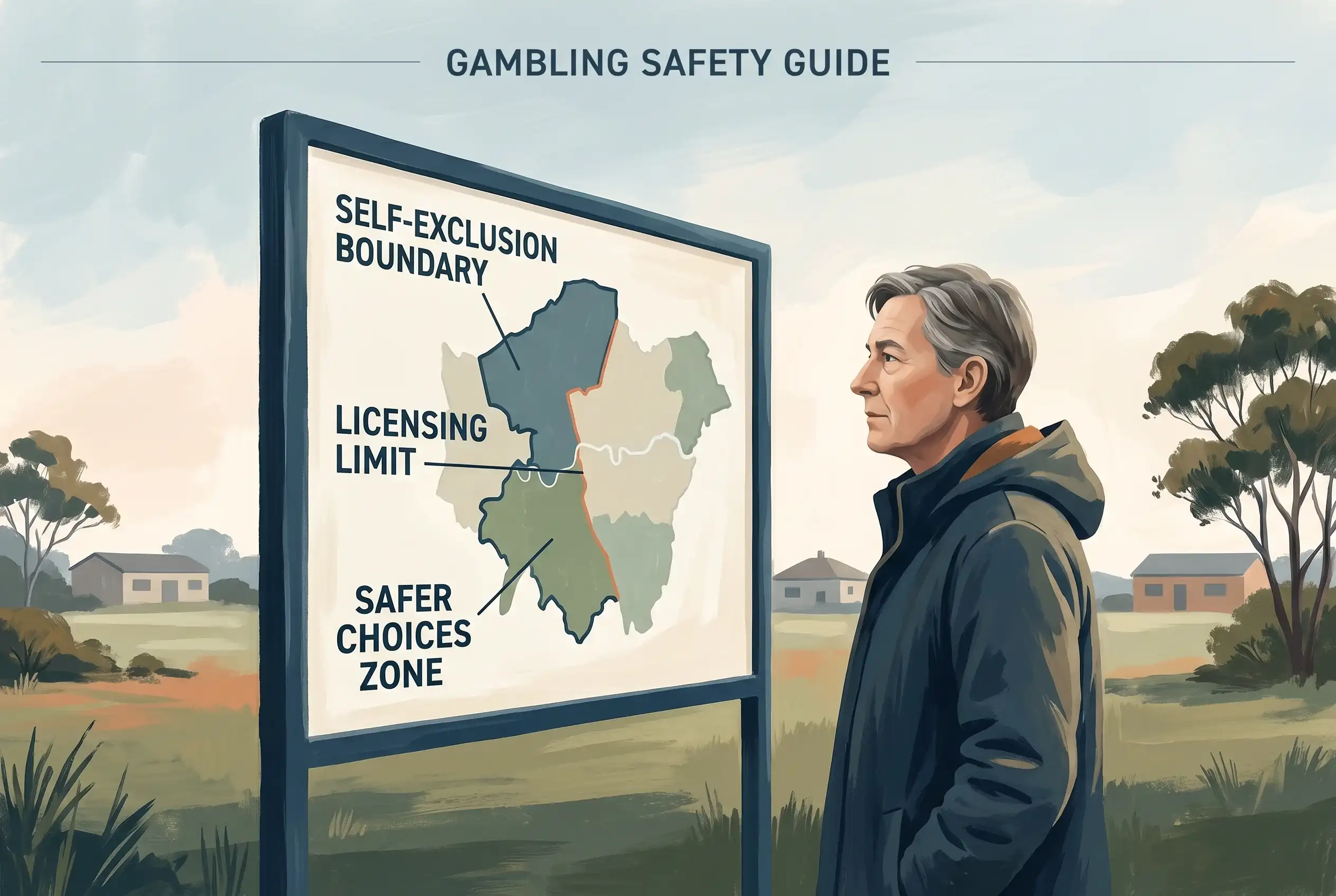
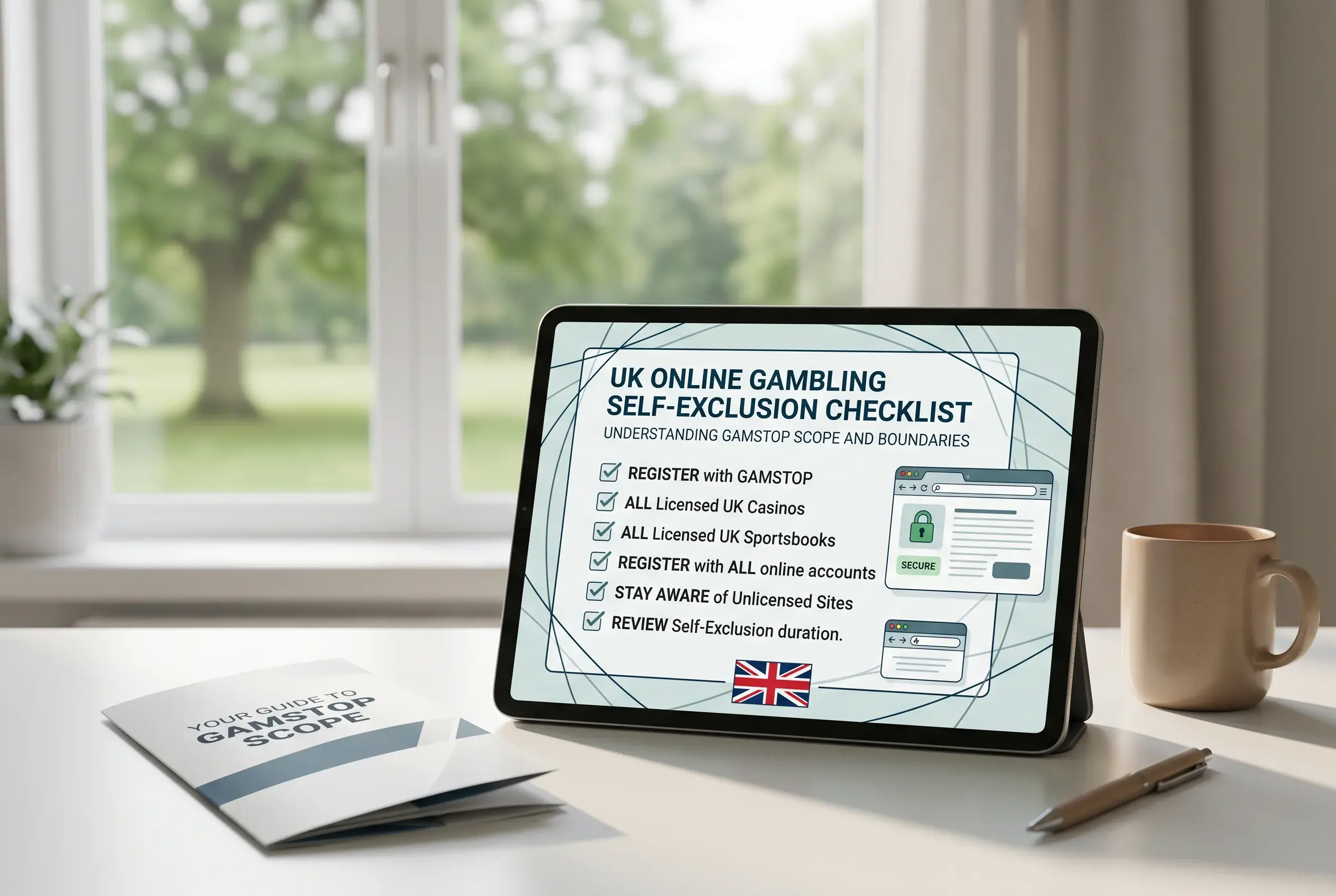
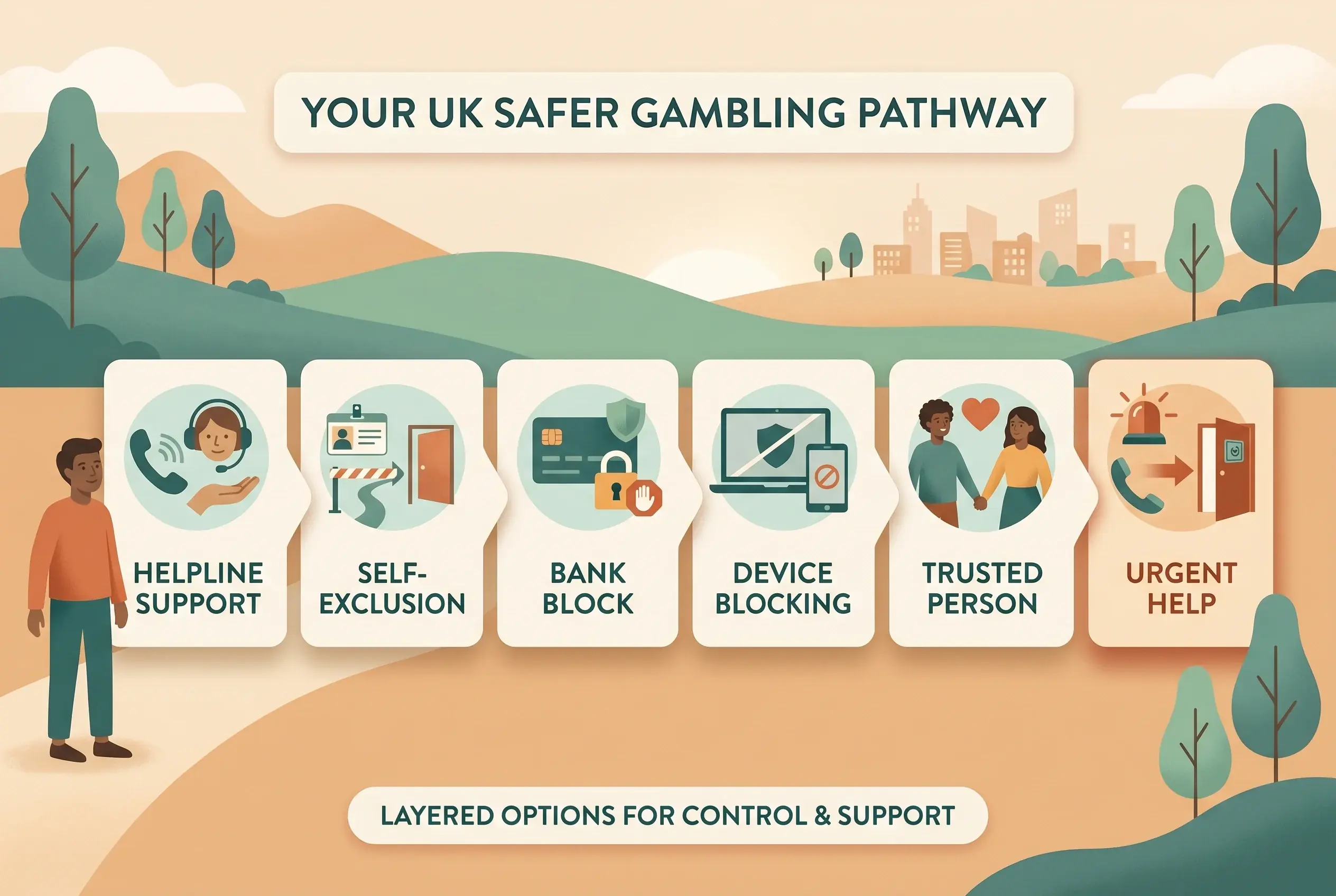
No single control tool is perfect. A stronger approach uses layers, because each layer covers a different weak point. GAMSTOP is a national online self-exclusion scheme for people in the UK and is aimed at online gambling companies licensed in Great Britain. It is one layer, not a complete solution for every website, device, venue or payment route.
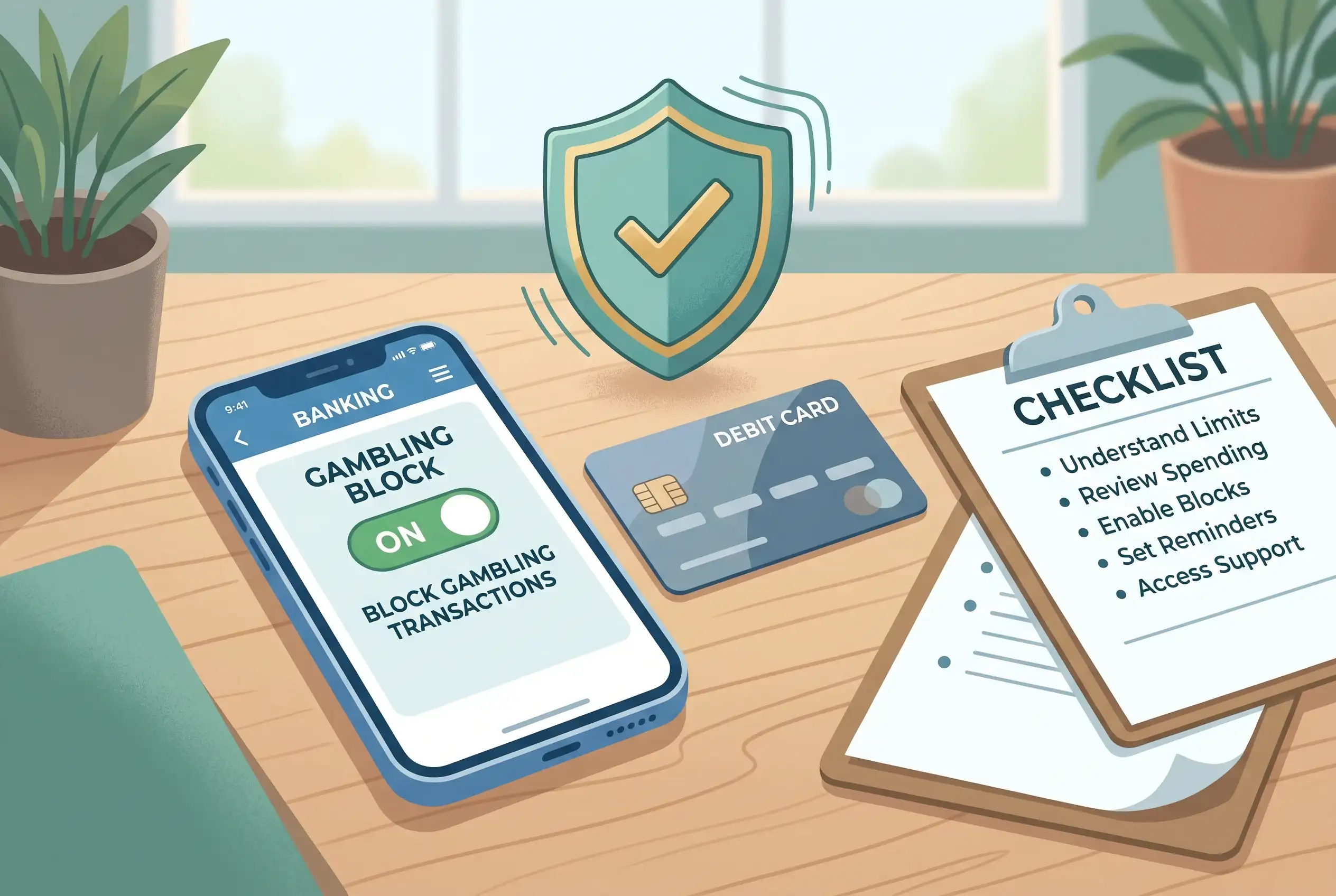
GambleAware guidance lists several protection layers, including GAMSTOP, blocking software, bank payment blocks and venue self-exclusion. Those options work differently. Blocking software can reduce access through devices. Bank gambling blocks can create payment friction. Venue self-exclusion can help with physical gambling locations. A trusted person can help remove access to spare cards, extra devices or hidden accounts.
The best layer is the one you can put in place before the urge peaks. If you wait until you are already angry, ashamed or determined to win money back, the tool has to work against a stronger impulse. Use calm moments to set limits, not only crisis moments.
Bank blocks and money pressure
Bank gambling blocks can be useful because they move the decision away from a gambling website and into your payment account. MoneyHelper provides debt-sensitive guidance around gambling and debt, including payment controls and the way money pressure can feed gambling decisions. If gambling has created bills, borrowing or missed payments, treat that as a money problem as well as a gambling problem.
A bank block is not a punishment. It is a barrier between an urge and a transaction. Some people also move spare funds out of easy reach, reduce overdraft access, ask a trusted person to help monitor spending, or avoid carrying gambling-linked payment methods during vulnerable periods. Be careful with any step that gives another person access to your money; it should be chosen calmly and with trust, not under pressure from someone who may benefit from control over you.
If debt is part of the picture, avoid a plan based on one last win. A safer plan starts with stopping new gambling spend, listing the real debts, and using recognised money guidance or debt support. Gambling debt can feel urgent and private, but hiding it often makes decisions worse.
How to prepare before contacting support
- Write down the immediate risk: whether the next danger is a deposit, a borrowed payment, a site login, a document request, or being alone with the urge.
- Reduce access quickly: close the device, step away from payment methods, and add a block before arguing with yourself about whether it is needed.
- Keep useful details nearby: which accounts, cards or devices are involved, whether self-exclusion is already in place, and whether any suspicious site has your information.
- Use plain words: “I am trying to gamble through a block” or “I cannot stop chasing losses” is enough. You do not need a perfect explanation.
- Separate money and safety: if there is immediate risk of harm, use urgent help first. Debt and complaint steps can come after safety.
If someone else is affected
If you are worried about a partner, friend or family member, focus on specific behaviour rather than labels. “I noticed repeated deposits after midnight” is more useful than “you are irresponsible”. Offer to sit with them while they contact support or put a bank block in place, but do not take control of their documents, accounts or money without a clear and safe reason.
If shared finances are at risk, protect essential bills and seek money guidance. If there is immediate danger, use urgent help. If the concern is a gambling business dispute or a suspicious site, keep evidence and use the reporting route, but do not let a complaint process become a reason to keep gambling while waiting for an answer.
What this page will not help you do
This page will not explain how to cancel a self-exclusion early, bypass GAMSTOP, avoid bank blocks, use someone else’s payment method, or find sites designed to accept people who are trying to gamble through a restriction. Those steps are unsafe because they turn a protection tool into an obstacle to defeat.
It also will not diagnose you. You can ask for support because gambling is causing stress, secrecy, debt, arguments, repeated deposits or loss of control. You do not need to wait for a crisis before using a helpline, a block or a self-exclusion tool.
Common questions
Should I use support even if I only planned to check one site?
Yes, if the check is happening because you are blocked, self-excluded, chasing losses or feeling unable to stop. The useful issue is not the number of sites. It is whether the next action works against a control you already needed.
Are blocking tools enough on their own?
They can help, but they work best as layers. Combine self-exclusion, payment blocks, device blocking, support conversations and debt-aware guidance where relevant.
What if I have both a gambling complaint and a control problem?
Use both routes. Keep evidence and follow the complaint route for the dispute, but use support and control tools immediately so the complaint does not become a reason to keep gambling.
Created by the "Casino not on Gamstop" editorial team.