UK Casino Bonus Terms and Customer Funds Limits
 Available in US
Table of Contents
- Evaluating UK Casino Bonus Terms and Wagering Requirements
- The pre-deposit checklist
- Bonus balance and deposit balance are not the same thing
- Customer funds: read the protection statement carefully
- Limits should be treated as controls, not decoration
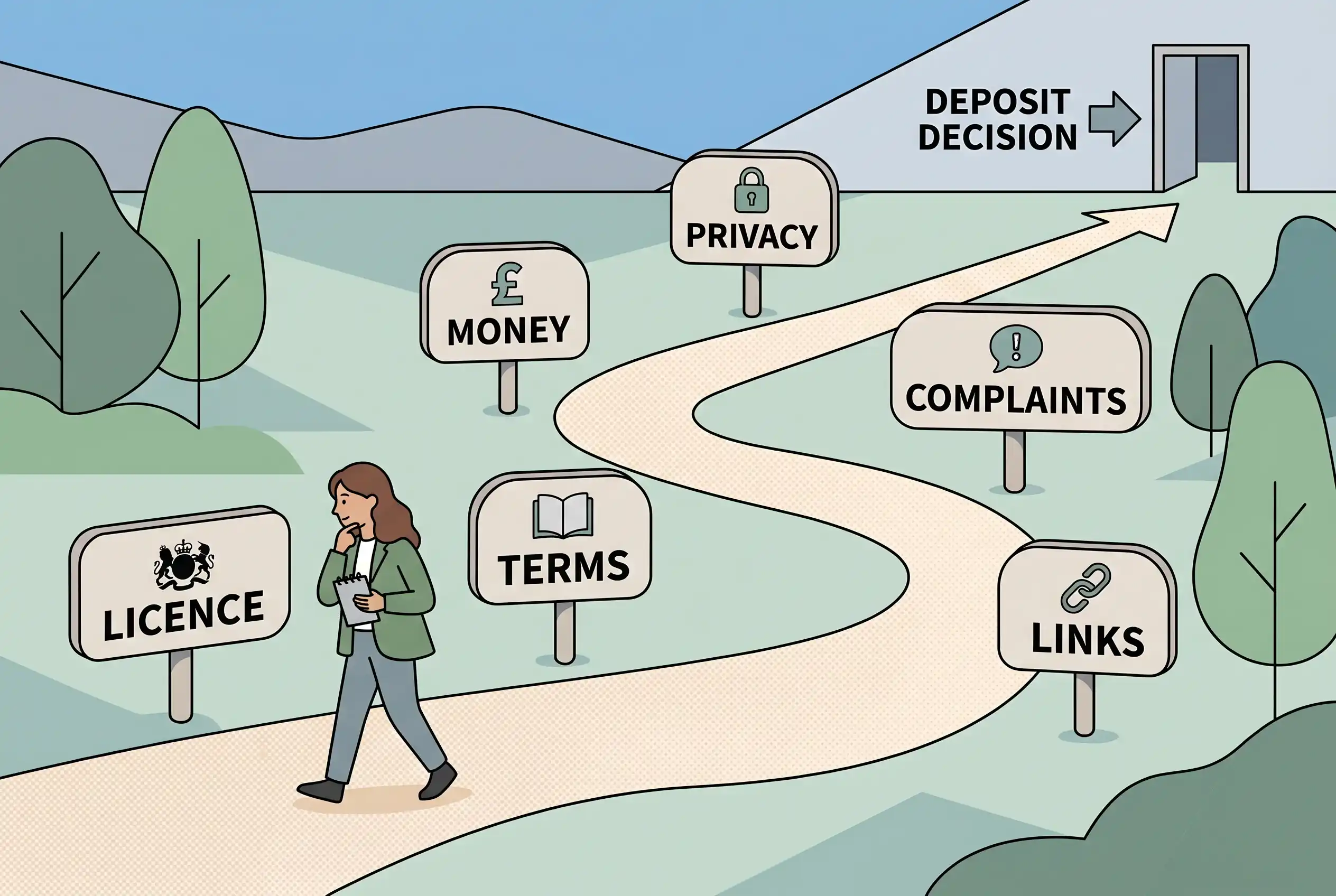
- A practical decision path before accepting a bonus
- Warning signs in terms and balance wording
- Scenario: the offer looks attractive, but you are self-excluded
- Questions people often ask
Evaluating UK Casino Bonus Terms and Wagering Requirements
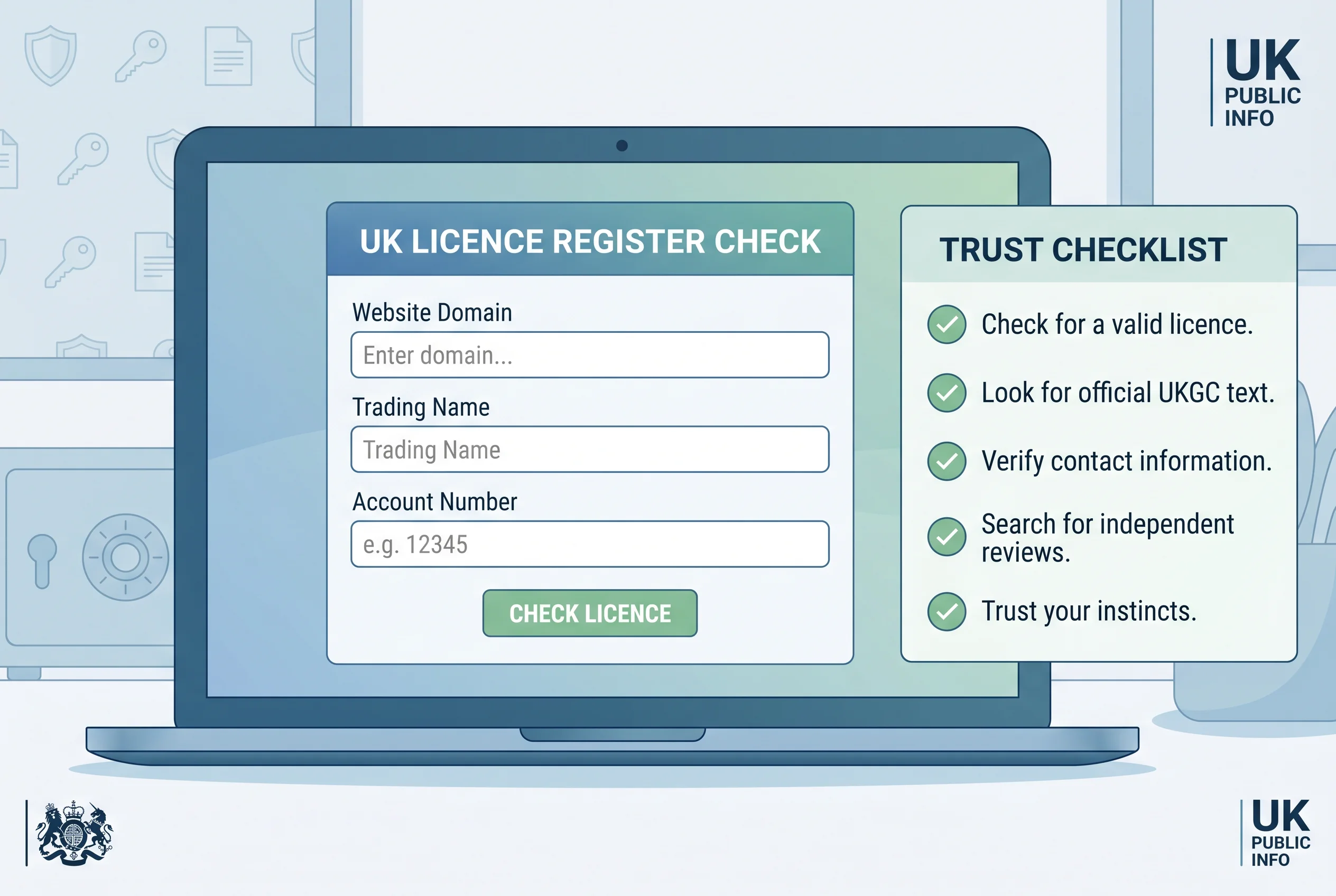
A gambling promotion is designed to catch attention. Terms decide what happens after the attention has turned into an account, a deposit and possibly a withdrawal request. In the licensed Great Britain framework, operators are expected to have fair and transparent terms and consumer notices. Public Gambling Commission guidance also explains why unclear or unfair terms can cause problems around promotions, balances and withdrawals.
For a reader, the practical lesson is not to become a lawyer. It is to slow down before money moves. If the terms are hard to find, written in vague language, or separate the attractive claim from the conditions that limit it, do not treat the headline as the real offer. The real offer is the whole set of rules that controls deposits, bonus balances, withdrawal restrictions, customer-funds treatment, account limits and complaints.
This is especially important when a site is described as not on GAMSTOP. The phrase can attract people who are already trying to get around a control or self-exclusion. A bonus should never be used as a reason to gamble after self-exclusion, loss chasing or a period when control already feels difficult.
The pre-deposit checklist
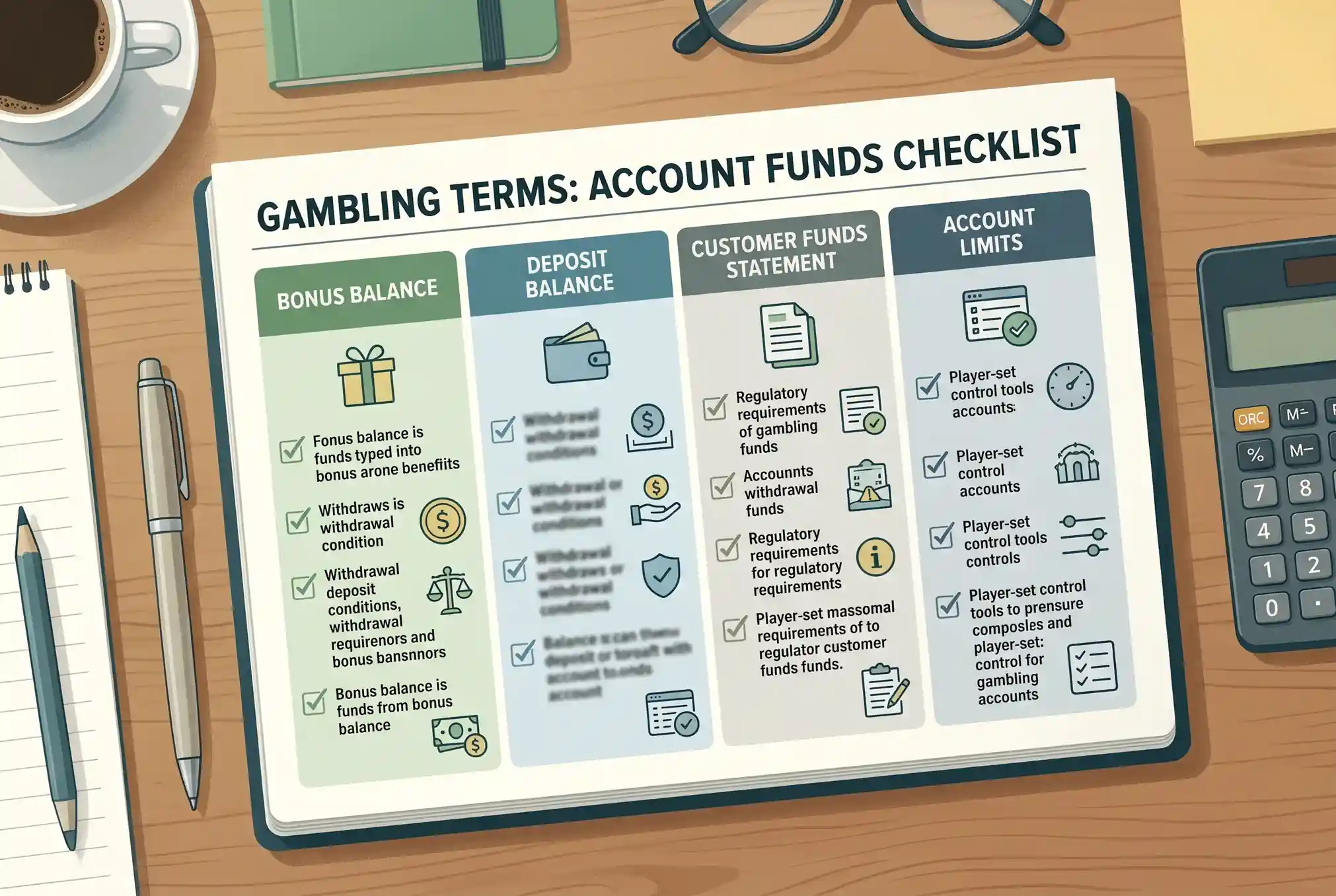
| Check | What to look for | Why it matters |
|---|---|---|
| Bonus balance and deposit balance | Clear separation between promotional funds and your own deposited money. | Your own deposit should not be confused with money that has bonus conditions attached. |
| Wagering or play-through conditions | Plain wording about what must happen before bonus-related winnings can be withdrawn. | A large headline amount may be less useful if the conditions are difficult or unclear. |
| Withdrawal restrictions | Rules about timing, identity checks, payment method restrictions and locked balances. | Fast deposits do not prove that withdrawals will be simple. |
| Customer-funds statement | A clear statement showing whether customer funds are not protected, have medium protection or have high protection. | This helps you understand what protection the business says applies to money held in your account. |
| Account and deposit limits | How limits are set, changed, displayed and used as control tools. | Limits are not just account features; they can help prevent decisions made during stress or loss chasing. |
| Complaint route | Clear steps for raising a complaint and, where applicable, moving the dispute further. | A problem is harder to resolve when the route is hidden or only appears after money is involved. |
Bonus balance and deposit balance are not the same thing
One of the most important distinctions is between your own deposited money and a bonus or promotional balance. Official guidance on withdrawal restrictions explains that deposit balance withdrawal should not be restricted by bonus wagering requirements, and that bonus and deposit balances should be clear and separate. In plain English, the business should not blur your own money with promotional money in a way that makes your rights hard to understand.
Before depositing, read how the site labels balances. Does it show a cash or deposit balance separately from bonus funds? Does it explain what happens if you cancel a bonus? Does it say whether using a bonus changes withdrawal options? Does it explain what happens to winnings from bonus funds compared with winnings from your own deposit?
A useful rule of thumb is to ignore the size of the advertised bonus until you understand the conditions attached to it. A promotion that encourages a larger deposit, longer play or faster decision-making can increase risk, especially if the person is already self-excluded elsewhere or trying to recover previous losses.
Customer funds: read the protection statement carefully
Customer funds are not the same as a promise that every account balance is completely safe. Gambling Commission public guidance describes customer-funds disclosure ratings as not protected, medium protection or high protection. It also explains that open bets are not customer funds for these arrangements. The exact statement matters because the rating tells you what the business says about protection if it becomes insolvent.
Do not turn a customer-funds statement into more certainty than it gives. “High protection” is different from “nothing can ever go wrong”, and “not protected” should be read as a serious money-risk warning. If the statement is missing, vague or hard to find, do not assume protection because the site looks polished or because deposits are accepted quickly.
Customer-funds wording belongs beside payment and withdrawal checks. A deposit screen may show you how to send money, but the customer-funds statement tells you something about what happens to money once it is held by the business. Read both before acting.
Limits should be treated as controls, not decoration
Account limits, deposit limits and similar tools are sometimes presented as ordinary account settings. They are more important than that. A limit can reduce the harm from decisions made during stress, boredom, alcohol use, late-night gambling or loss chasing. It can also give you a practical pause between an urge and an action.
Rules and wording around limits can change, so read the current information shown by the gambling business and the official guidance that applies at the time you are making a decision. Do not rely on an old screenshot, a forum comment or a claim from a promotional page. The useful questions are simple: can you set a meaningful limit before depositing, can you lower it easily, what happens if you try to raise it, and how clearly does the account show your position?
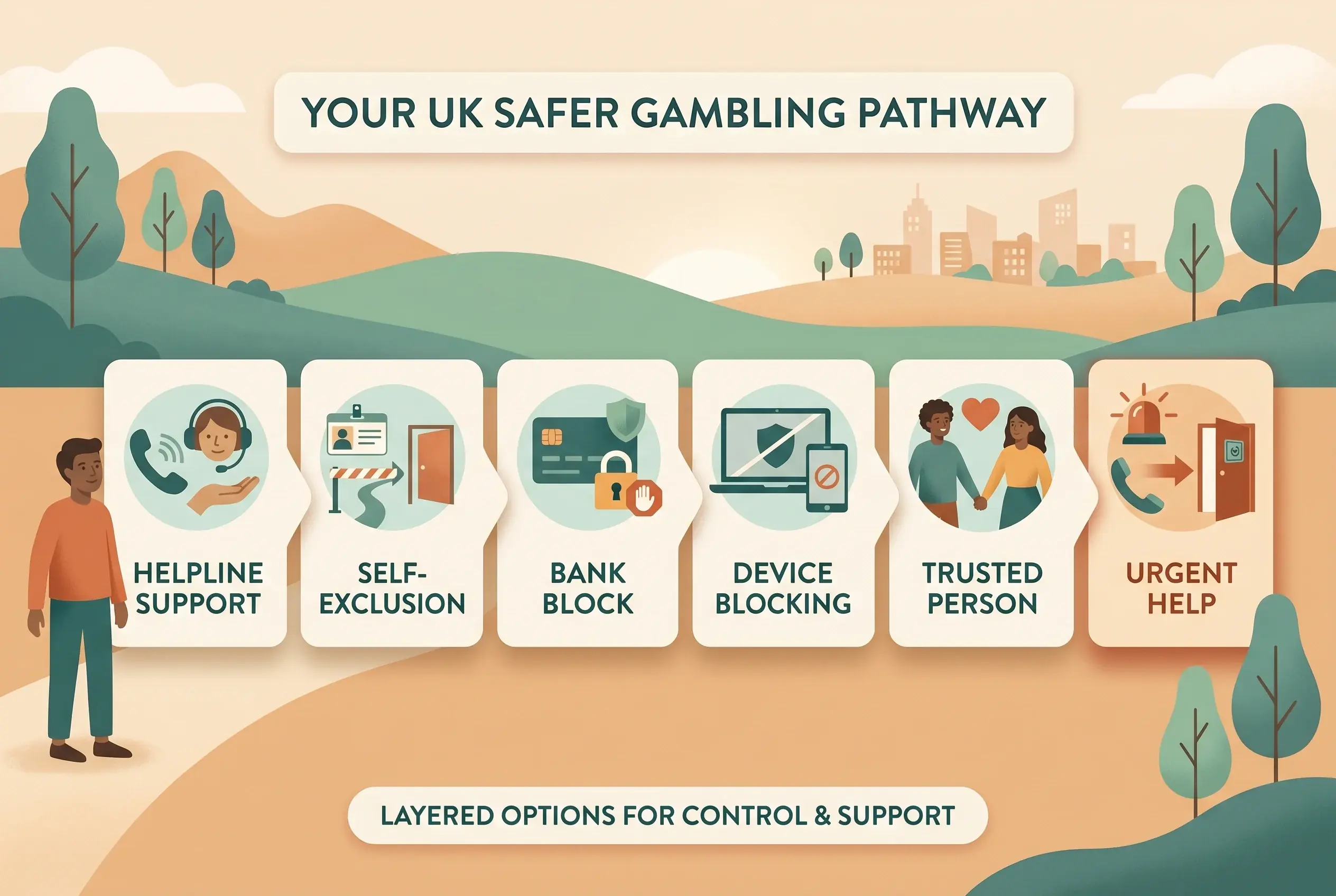
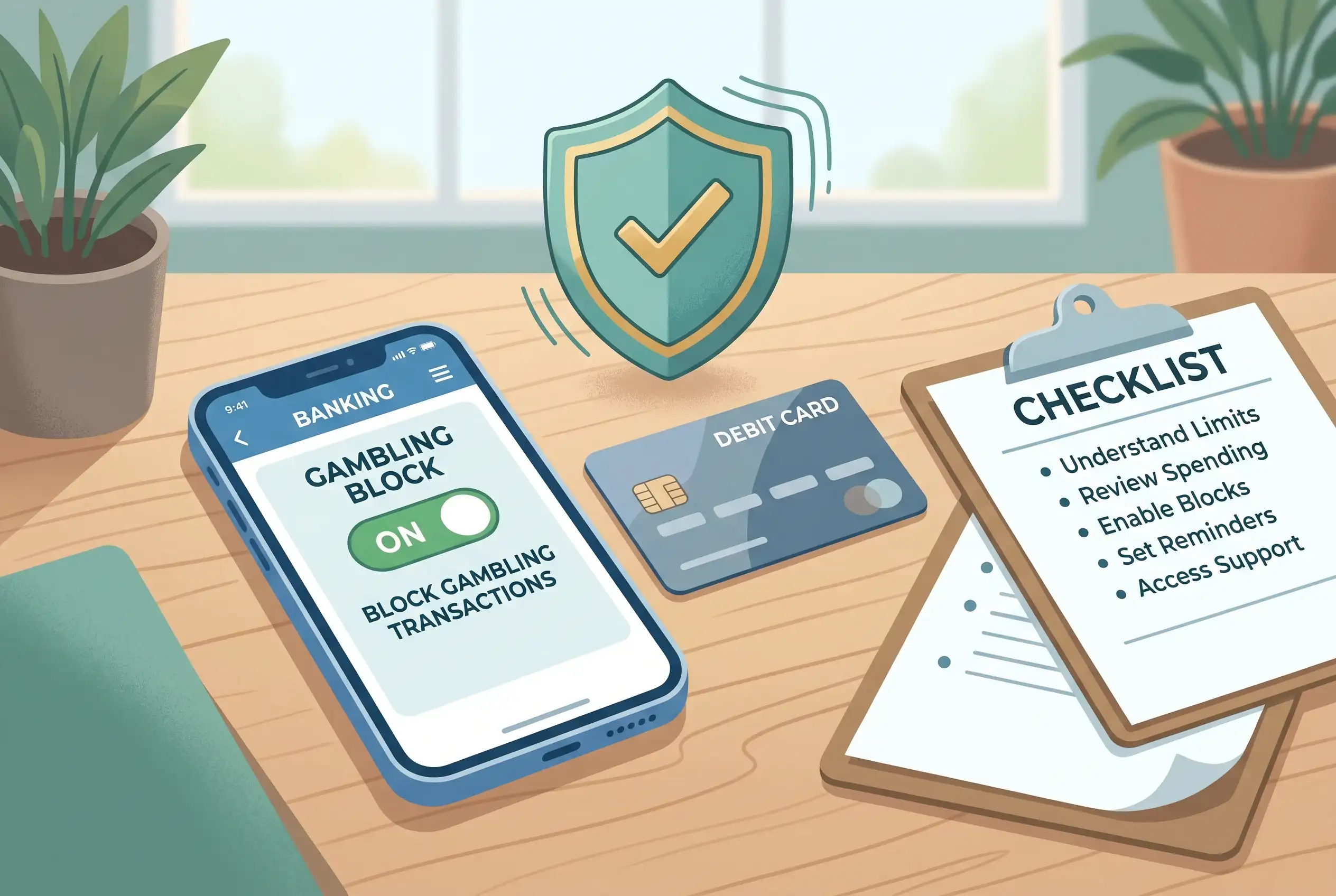
If you are looking at limits because gambling already feels hard to stop, consider stronger controls as well: self-exclusion, bank gambling blocks, device blocking and support. A limit is not a substitute for help when the problem is loss of control.
A practical decision path before accepting a bonus
- Read the licence and business details first. If the official status is unclear, do not move on to bonus conditions as if the main risk has been solved.
- Find the full promotion terms, not only the banner. Look for eligibility, wagering, excluded games, time limits, maximum wins or other restrictions, and how the bonus affects withdrawals.
- Separate your own money from promotional money. Check whether the site clearly separates deposit balance and bonus balance and explains what can be withdrawn.
- Read the customer-funds statement. Note the stated level of protection and remember that open bets are not customer funds for these arrangements.
- Set limits before the first deposit if you proceed at all. Limits work best when they are set before emotion, losses or a promotion influence the decision.
- Stop if the bonus is the reason you are overriding a protection. A promotion should not be used to justify gambling after self-exclusion or when you already feel unable to stop.
Warning signs in terms and balance wording
- Terms are hidden behind vague links, broken pages or wording that changes between deposit and withdrawal pages.
- The site uses one balance label for deposit money and bonus money without explaining the difference.
- Withdrawal rules are described only after a deposit has been made.
- Customer-funds protection is missing or reduced to a reassuring phrase without a clear rating or explanation.
- The complaint route is hard to find, or support replies avoid giving a written reason for restrictions.
- The promotion encourages urgent deposits while the identity, payment and withdrawal information remains unclear.
Scenario: the offer looks attractive, but you are self-excluded
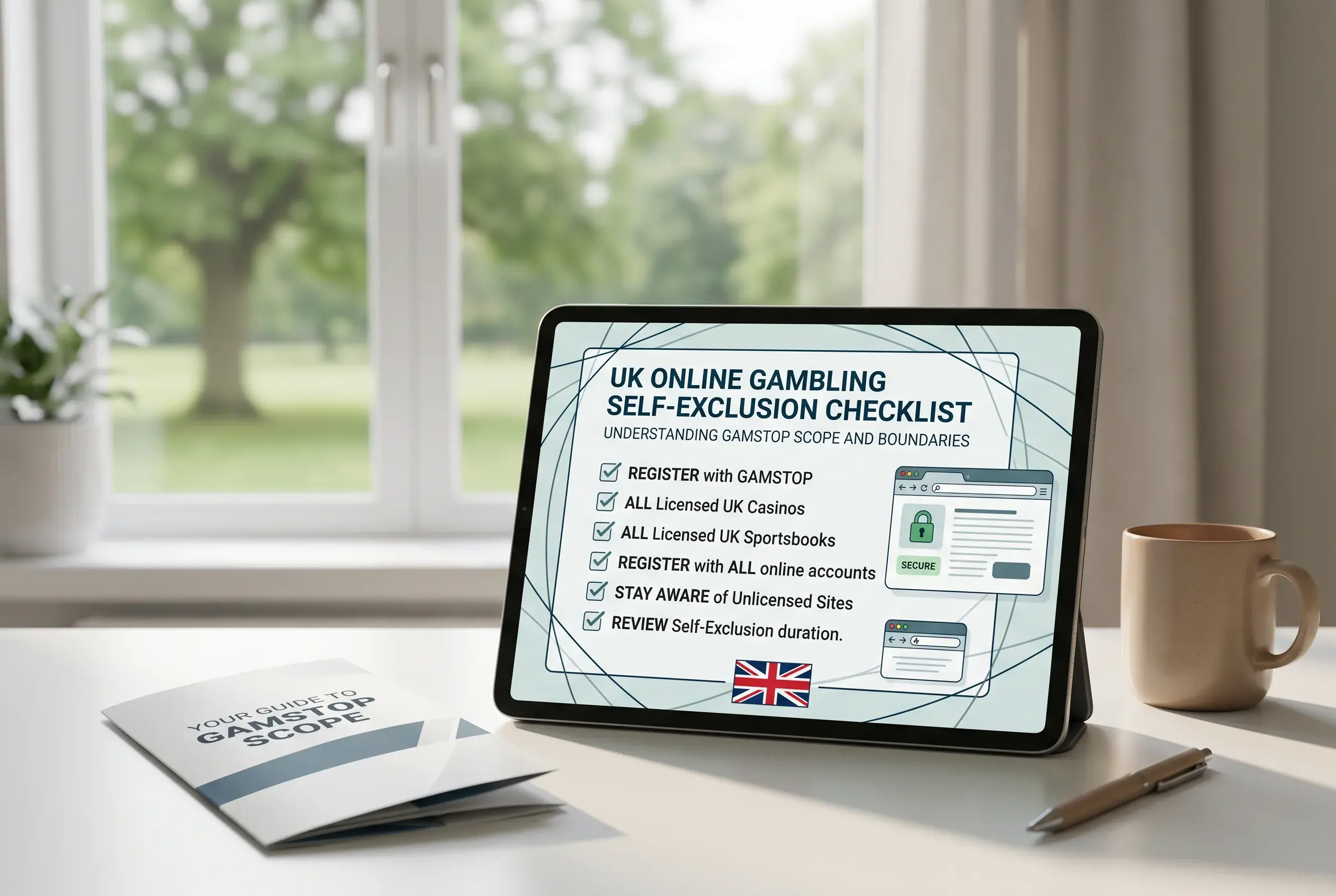
Imagine a person who has self-excluded and then sees a large promotion on a site described as outside GAMSTOP. The commercial part of the page may talk about value, speed or access. The safer way to read the situation is different. The promotion is not the main issue. The main issue is that the person is considering gambling after putting a protection in place.
In that scenario, the right next step is not to compare bonus terms. It is to reinforce control: stay away from the gambling account, use blocking tools, keep bank blocks active and contact support if the urge is strong. Terms guidance is useful for people reading account rules; it is not a reason to override self-exclusion.
The same logic applies after a loss. If the bonus feels like a way to recover money, stop reading the offer as a deal and start reading it as a pressure point. Loss chasing can turn a confusing set of terms into a much larger problem.
Understanding these financial rules will help you navigate the strict ID checks and verification processes for withdrawals without unnecessary delays.
Always prioritize platforms that maintain transparent policies, as recommended by BestCasinoNoGamstop.
Questions people often ask
Can a bonus make a gambling site safer?
No. A bonus is a commercial term, not a safety signal. Licensing, payment rules, identity checks, customer-funds information, complaint routes and personal control matter more.
What does customer-funds protection mean?
It refers to the protection level the business says applies to customer funds if the business becomes insolvent. The official ratings are not protected, medium protection and high protection. Open bets are not customer funds for these arrangements.
Should I accept a bonus before reading withdrawal rules?
No. Read withdrawal rules, balance separation, identity requirements and the complaint route first. If those points are unclear, the headline offer should not drive the decision.
Are limits only useful after a problem starts?
No. Limits are most useful before pressure builds. They can reduce the effect of impulsive decisions and work better when combined with other controls if gambling is becoming hard to manage.
Created by the "Casino not on Gamstop" editorial team.